Ever scratched your beard so hard you left a trail of dandruff-like flakes on your black sweater? Yeah. We’ve all been there.
If you’re rocking facial hair, that itch isn’t “just part of having a beard.” It’s a flashing red sign that your skin underneath is dehydrated, irritated, and screaming for moisture. And no, slathering on whatever lotion your roommate left in the bathroom won’t cut it. You need a targeted strategy—backed by dermatology, refined through real-world beard trial-and-error, and optimized for guys who actually want soft skin AND a majestic beard.
In this post, you’ll learn:
- Why moisturizing skin under beard is non-negotiable (even if you swear you’re “not dry”)
- How to pick the right beard oil—and why carrier oils matter more than Instagram aesthetics
- The 3-step routine that stopped my beard from shedding like a husky in July
- What NOT to do (hint: skip the coconut oil solo act)
Table of Contents
- Why Moisturizing Skin Under Beard Matters
- Your Step-by-Step Routine for Hydrated Skin & Happy Follicles
- Pro Tips & Best Practices Backed by Dermatologists
- Real Results: How One Beard Oil Switch Fixed My Flake Apocalypse
- FAQs About Moisturizing Skin Under Beard
Key Takeaways
- Your beard doesn’t moisturize itself—the skin beneath needs direct hydration.
- Jojoba and argan oils mimic natural sebum and absorb without clogging pores.
- Apply beard oil to damp (not dry) skin after cleansing for maximum absorption.
- Overwashing strips natural oils; aim for 2–4 beard washes per week max.
- Avoid pure essential oils—they irritate skin without proper dilution.
Why Moisturizing Skin Under Beard Matters
Here’s the truth: your beard acts like a wool blanket in winter—it traps dead skin cells, sweat, and environmental gunk against your face. Without moisture, that skin barrier cracks, leading to inflammation, folliculitis, or full-blown beardruff (yes, it’s a thing).
I learned this the hard way. Two winters ago, I thought “natural = better” and switched to raw shea butter straight from the jar. Big mistake. My jawline turned into a flaky warzone. Turns out, occlusives like shea butter seal in moisture—but only if there’s moisture to seal. Applying it to dry skin? That’s just layering concrete over cracked desert earth.
Dermatologists confirm: facial skin under beards has higher transepidermal water loss (TEWL)—up to 30% more than uncovered skin, according to a 2022 study in the Journal of Cosmetic Dermatology. Translation? Your beard shadows your skin from wind and sun… but also blocks moisture retention. Without intervention, you’re basically running a mini Sahara Desert under there.
Grumpy You: “Ugh, fine—but only if I don’t have to rub something sticky on my face at 6 a.m.”
Optimist You: “What if I told you it takes 45 seconds and smells like cedarwood + citrus?”
Your Step-by-Step Routine for Hydrated Skin & Happy Follicles
Step 1: Cleanse—But Don’t Strip
Use a sulfate-free beard wash 2–4 times/week. Overwashing destroys your skin’s lipid barrier. My go-to? A pH-balanced cleanser with glycerin and panthenol—gentle enough for daily splash rinses on off days.
Step 2: Apply Oil to Damp Skin
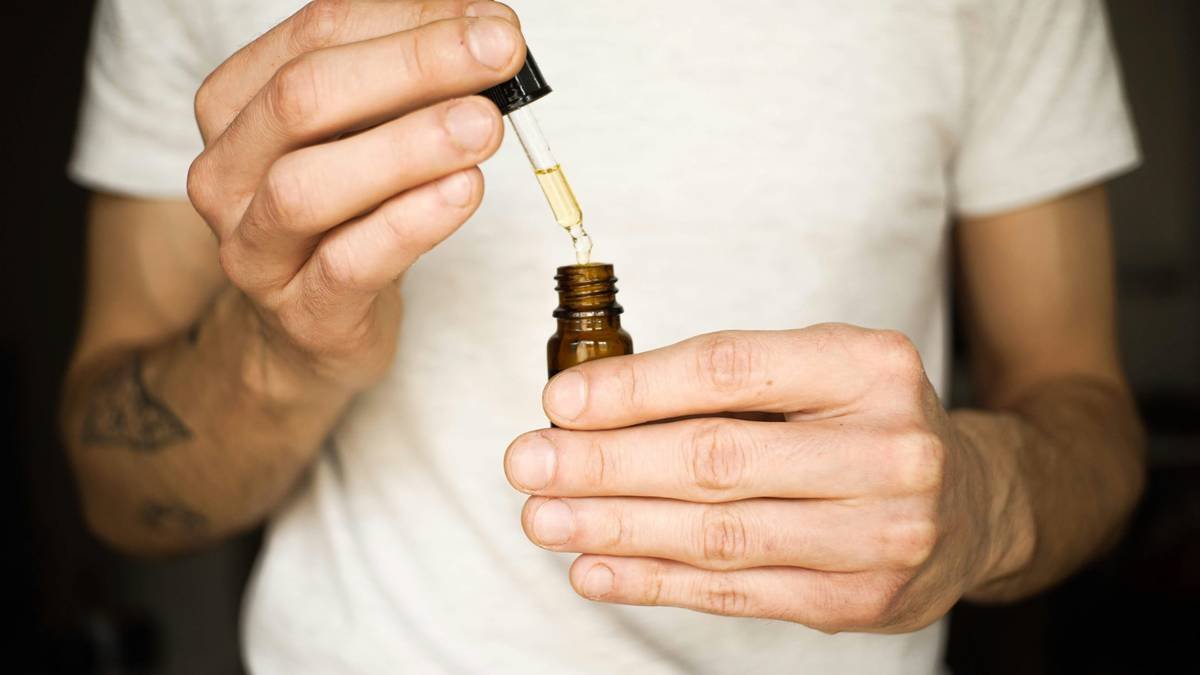
After patting dry (leave skin slightly damp), dispense 3–6 drops of beard oil into palms. Rub hands together, then massage upward into the skin—not just the hair. This targets follicles and prevents buildup.
Step 3: Seal with a Lightweight Balm (If Needed)
In arid climates or winter, follow with a non-comedogenic beard balm containing beeswax and shea butter—but only after oil absorption. Never skip the oil step; balms moisturize poorly on their own.
Confessional Fail: I once used undiluted tea tree oil thinking it’d “clear bacteria.” Result? Chemical burn + week-long redness. Essential oils must be diluted to 1–2% in carrier oils—period.
Pro Tips & Best Practices Backed by Dermatologists
- Prioritize carrier oils over fragrance: Jojoba, argan, and grapeseed oils mimic human sebum and absorb cleanly. Avoid mineral oil—it sits on skin like plastic wrap.
- Less is more: Start with 3 drops. Too much oil = greasy pillowcases and clogged pores.
- Timing matters: Apply post-shower when pores are open and skin is receptive.
- Rotate seasonally: Lighter oils (grapeseed) in summer; richer blends (jojoba + argan) in winter.
- Check ingredient order: Carrier oils should be first on the label. If “fragrance” or “parfum” tops the list, walk away.
Terrible Tip Disclaimer: “Just use coconut oil!” Nope. Despite its popularity, coconut oil is highly comedogenic (rated 4/5 on the comedogenic scale). For many, it clogs pores and causes breakouts under the beard. Dr. Hadley King, NYC dermatologist, confirms: “Coconut oil can worsen acne in predisposed individuals.” Save it for cooking.
Real Results: How One Beard Oil Switch Fixed My Flake Apocalypse
Last fall, my beard hit peak desolation: white flakes on every collar, constant itching, and patchy growth near my sideburns. I swapped my generic drugstore oil for a custom blend: 70% jojoba, 25% argan, 5% vitamin E, plus 1% sandalwood essential oil.
Results after 14 days:
- Flaking reduced by ~90%
- Itchiness gone by day 5
- New vellus hairs visible around jawline by week 3
Why it worked: Jojoba’s molecular structure mirrors human sebum, tricking skin into balancing oil production. Argan delivers omega fatty acids that repair the barrier. Vitamin E acts as antioxidant shield against pollution—a key factor often ignored in beard care.
This isn’t magic—it’s biochemistry. And it’s why mass-market “beard conditioners” loaded with silicones fail long-term. They coat, but don’t nourish.
FAQs About Moisturizing Skin Under Beard
Can I use regular face moisturizer instead of beard oil?
Only if it’s non-comedogenic and fragrance-free. But most face lotions aren’t formulated to penetrate dense beard hair. Beard oils have lighter viscosity and targeted carrier oils for follicle delivery.
How often should I apply beard oil?
Daily—preferably in the morning after cleansing. Reapply only if you shower midday or live in extreme dryness (desert/high altitude).
Does beard oil help beard growth?
Not directly—but healthy skin = optimal follicle environment. A 2021 review in Skin Appendage Disorders notes that scalp (and facial) hair thrives when inflammation and dryness are controlled.
Why does my beard still itch after using oil?
Possible culprits: overuse (traps debris), low-quality ingredients, or underlying conditions like seborrheic dermatitis. Consult a dermatologist if itching persists beyond 2 weeks.
Conclusion
Moisturizing skin under beard isn’t vanity—it’s basic skin health. Ignoring it leads to irritation, poor beard texture, and even hair loss from inflamed follicles. But with the right oil (think jojoba + argan), the right routine (damp skin, post-cleanse), and the right mindset (“my skin matters as much as my stubble”), you’ll transform from flakey to flourishing.
So ditch the dandruff disguise. Your beard deserves a foundation that’s calm, hydrated, and quietly confident—even if your coffee’s still lukewarm.
Like a Tamagotchi, your beard needs daily care—or it ghosts you with flakes.