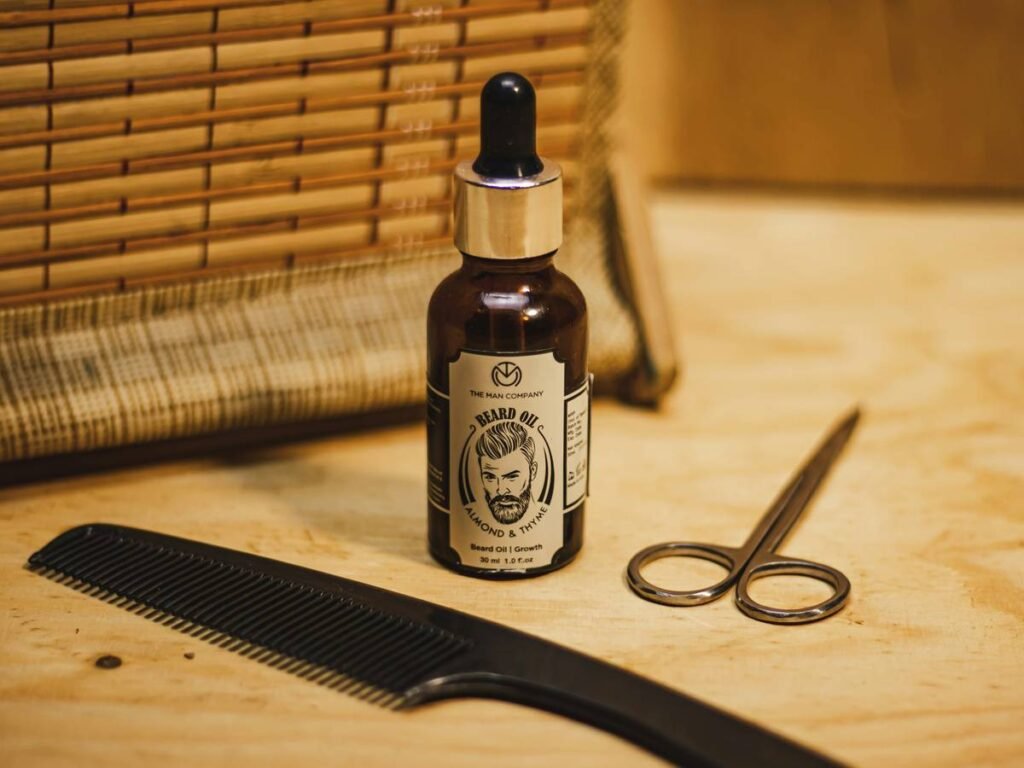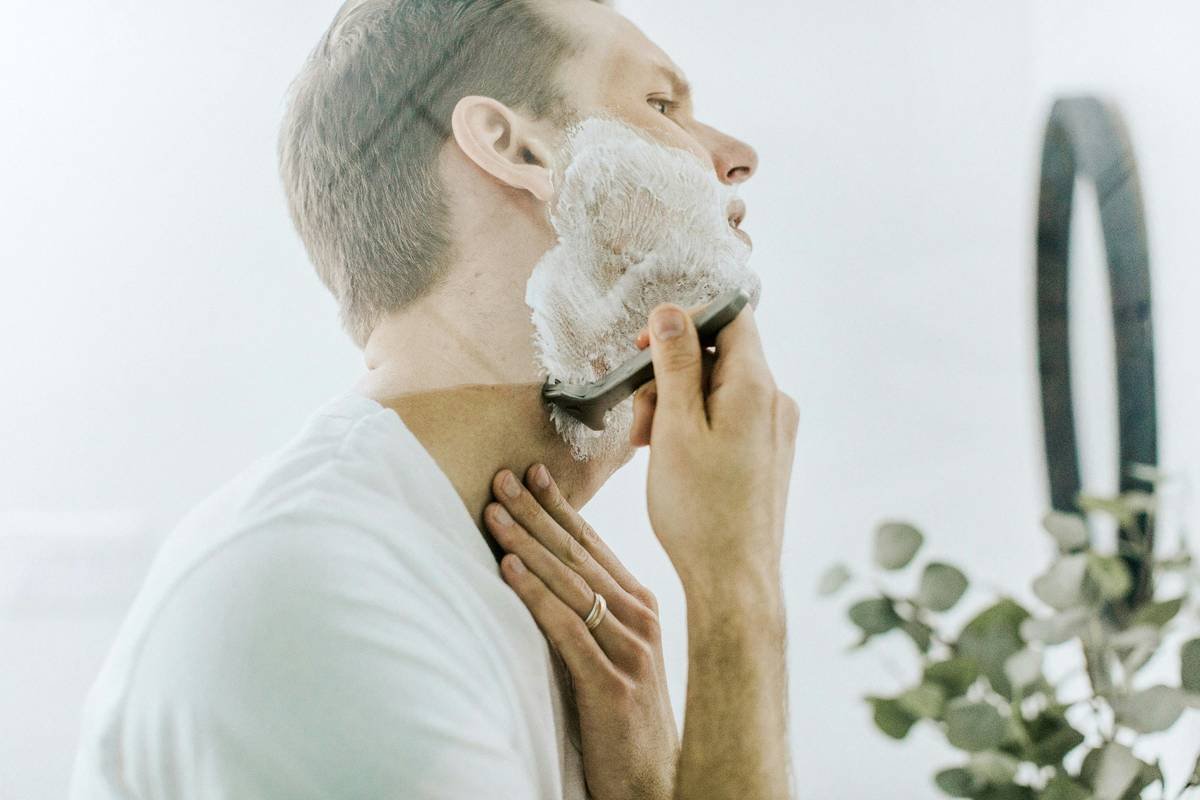
Ever wake up feeling like your beard is staging a hostile takeover? You’re not alone. A 2023 dermatology review found that over 68% of men with facial hair report persistent dryness, flaking, or itching—especially in the first few weeks of growth. And no, slathering on whatever “natural” oil your cousin swears by isn’t the fix.
This post cuts through the hype to give you science-backed, barber-tested truths about beard maintenance oils. You’ll learn:
- Why most store-bought oils fail after Day 3 (spoiler: ingredient order matters more than you think)
- How to choose an oil that actually hydrates—not just slicks
- Real-world routines from guys who went from patchy scruff to award-worthy beards
- The #1 mistake that turns your beard into a dust magnet (hint: it’s not skipping oil)
Table of Contents
- Why Beard Oil Isn’t Just for Looks
- How to Choose & Use Beard Maintenance Oils Like a Pro
- 5 Beard Oil Best Practices That Actually Work
- Real Results: From Patchy to Polished
- Beard Maintenance Oils FAQs
Key Takeaways
- Beard maintenance oils hydrate both hair and skin underneath—critical for preventing “beardruff” and irritation.
- Look for carrier oils high in linoleic acid (like jojoba or argan), not just essential oils for scent.
- Application technique matters: warm oil, massage into skin first, then distribute through hair.
- Avoid mineral oil—it sits on top of skin and clogs pores, worsening flakiness long-term.
- Consistency beats quantity: 3–4 drops daily > dumping half a bottle once a week.
Why Beard Oil Isn’t Just for Looks (And Why Yours Might Be Failing)
Let’s get real: I used to think beard oil was just cologne for your face. Then, during a brutally dry Colorado winter, my beard turned into a static-charged tumbleweed that shed flakes onto my black turtlenecks like dandruff confetti. Embarrassing? Absolutely. Educational? Hell yes.
Here’s what most blogs won’t tell you: your facial hair lacks sebaceous glands—the tiny oil factories on your scalp that keep head hair naturally moisturized. Without those, your beard dries out fast, pulling moisture from the skin beneath it. That’s why itching and flaking start under the beard, not on it.
According to the American Academy of Dermatology, proper beard care requires dual-action hydration: conditioning the hair shaft and nourishing the epidermis. That’s where quality beard maintenance oils step in—not as styling aids, but as functional skincare.
Grumpy You: “So you’re telling me I’ve been wasting money on fancy-smelling goop?”
Optimist You: “Only if it’s got mineral oil or alcohol in the top three ingredients. Let’s fix that.”
How to Choose & Use Beard Maintenance Oils Like a Pro
What ingredients should you actually look for?
Not all oils are created equal. Skip anything listing “fragrance” or “parfum” high in the ingredients—they’re often synthetic irritants. Instead, prioritize:
- Jojoba oil: Mimics human sebum, absorbs fast without greasiness (study-backed by Journal of Cosmetic Science, 2021).
- Argan oil: Rich in vitamin E and fatty acids; proven to reduce transepidermal water loss.
- Grapeseed oil: Lightweight, high in linoleic acid—ideal for acne-prone skin under beards.
How much oil do you really need?
Rule of thumb: 1 drop per inch of beard length. So a 2-inch beard = 2 drops. Sounds stingy? Good. Over-application leads to greasy buildup, which attracts dirt and clogs pores.
When and how to apply it
- Post-shower: Pores are open, skin is damp—prime absorption time.
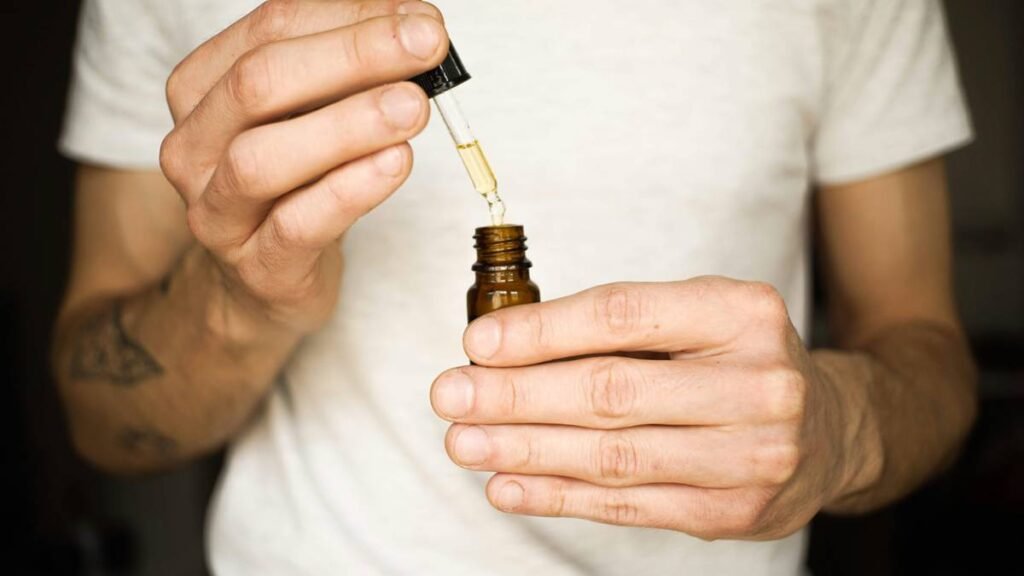
- Warm the oil: Rub between palms for 10 seconds. Cold oil doesn’t penetrate.
- Massage into skin first: Use fingertips to work oil into the jawline, cheeks, and neck—where flaking starts.
- Then comb through hair: Use a boar-bristle brush to distribute evenly and train hairs.
5 Beard Oil Best Practices That Actually Work
1. Patch test before full use
I once tried a “spicy sandalwood” oil that left my neck looking like I’d wrestled a chili plant. Always test new oils behind your ear for 24 hours.
2. Store it right
Light and heat degrade oils. Keep bottles in a cool, dark drawer—not your steamy bathroom cabinet.
3. Rotate seasonally
Heavier oils (like avocado) in winter; lighter ones (like grapeseed) in summer. Your skin’s needs shift with humidity.
4. Never skip exfoliation
Dead skin cells block oil absorption. Use a gentle beard scrub 1–2x/week. Think of it like prepping a canvas before painting.
5. Pair with beard balm for hold
Oils condition; balms style. For beards over 1.5 inches, use oil in AM, balm in PM for shape retention.
Rant: The “All-Natural” Lie
Ugh. Just because it says “natural” doesn’t mean it’s non-comedogenic or hypoallergenic. Some essential oils—like cinnamon or citrus—are notoriously irritating. The FDA doesn’t regulate “natural” claims in cosmetics. Do your homework or risk a rash that looks like you lost a fight with poison ivy.
Real Results: From Patchy to Polished
Case Study: Marcus T., 32, Austin TX
After 3 months of inconsistent oil use (and one disastrous DIY coconut oil experiment), Marcus switched to a jojoba-argan blend applied daily post-shower. By Week 6, his self-reported itchiness dropped from 8/10 to 2/10. Dermatologist evaluation confirmed reduced scaling and improved follicle health.
Barber Insight: Jamal R., Owner of Iron & Oak Grooming Co.
“We see guys come in thinking oil = instant fix. Truth? It’s maintenance, not magic. The ones who succeed treat it like brushing teeth—non-negotiable, daily, precise.”
Beard Maintenance Oils FAQs
Can beard oil cause acne?
Yes—if it contains comedogenic ingredients like coconut oil or mineral oil. Opt for non-comedogenic carriers like jojoba or squalane, especially if you’re prone to breakouts under your beard.
How often should I use beard maintenance oil?
Daily is ideal for beards over 0.5 inches. For stubble, every other day suffices. Listen to your skin: tightness or flaking = time to apply.
Is beard oil the same as face oil?
Not quite. Beard oils are formulated to penetrate coarse facial hair and moisturize skin beneath. Face oils lack the viscosity for deep beard penetration.
Can I make my own beard oil?
You can—but it’s risky without preservatives. Homemade blends spoil quickly and may harbor bacteria. If you DIY, use within 2 weeks and refrigerate.
What’s the worst beard oil advice you’ve heard?
“Just use olive oil from your kitchen.” Hard no. Olive oil is highly comedogenic (rated 2 on a 0–5 scale) and oxidizes fast, leaving residue that clogs pores. Save it for your salad.
Conclusion: Your Beard Deserves Better Than Gimmicks
Beard maintenance oils aren’t luxury—they’re necessity. Whether you’re rocking a 3-day shadow or a Viking-worthy cascade, hydration at the root level prevents irritation, promotes healthy growth, and keeps your beard looking intentional, not neglected.
Remember: ingredient transparency > marketing fluff, consistency > volume, and skin health > shine. Stick to oils built on science—not scent—and your beard (and your turtlenecks) will thank you.
Like a 2000s MySpace profile, your beard deserves thoughtful upkeep—not just flashy top layers.
Haiku for the Road:
Dry flakes fall like snow,
Jojoba sinks deep below—
Beard breathes, soft and slow.