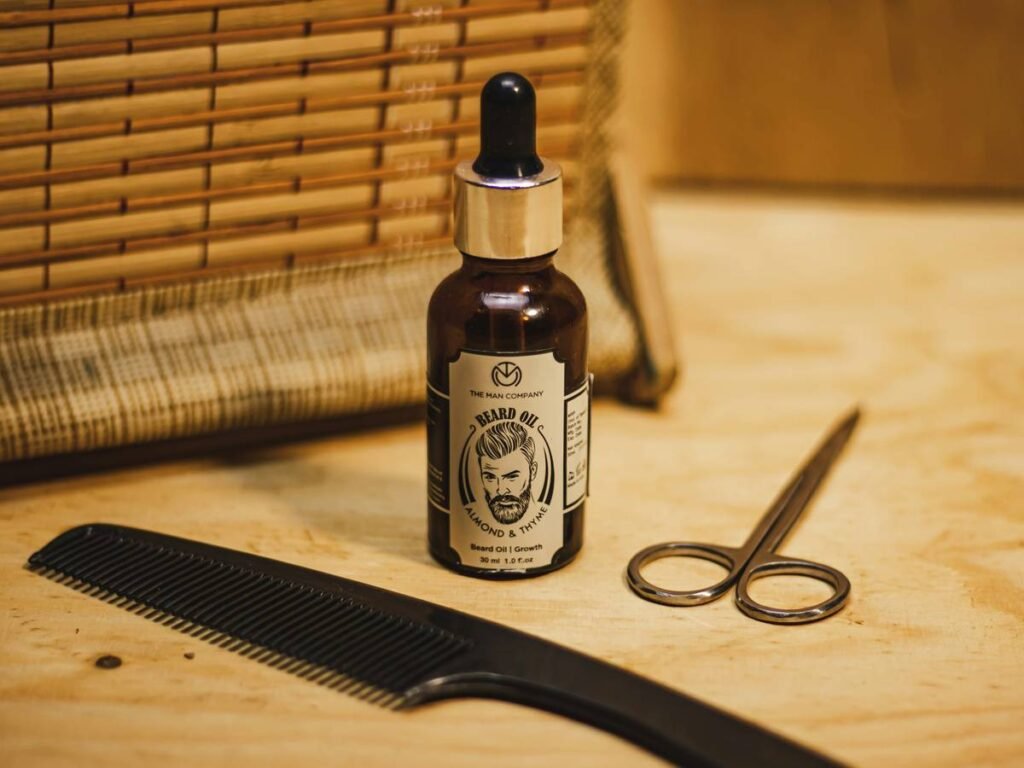
Ever wake up looking like you wrestled a porcupine—only to realize it was just your beard? You’re not alone. Nearly 70% of men with facial hair report dryness, itchiness, or flakiness within the first few weeks of growth (Journal of Clinical and Aesthetic Dermatology, 2019). The culprit? Skipping the most underrated step in male grooming: beard oil.
This post cuts through the marketing fluff and delivers what actually works. You’ll learn why beard oil isn’t “just for influencers,” how to choose formulas that match your skin and beard type, when (and how often) to apply it like a pro, and which ingredients to avoid like expired cologne. Whether you’re rocking stubble or a Viking-length mane, these beard oil grooming essentials will transform your routine—and your face—from rough to refined.
Table of Contents
- Why Does Beard Oil Even Matter?
- How to Use Beard Oil Like a Grooming Geek (Step-by-Step)
- 5 Non-Negotiable Best Practices for Beard Oil Success
- Real Results: When Beard Oil Actually Changed Lives (Not Just Beards)
- FAQs About Beard Oil Grooming Essentials
Key Takeaways
- Beard oil moisturizes both hair and skin beneath—critical for preventing “beardruff” and irritation.
- Oils high in jojoba, argan, and grapeseed mimic natural sebum and absorb without greasiness.
- Apply 3–6 drops daily (more for longer beards) to damp skin after showering.
- Avoid mineral oil, synthetic fragrances, and alcohol-heavy formulas—they cause long-term dryness.
- Consistency beats complexity: using quality oil daily trumps expensive multi-step routines.
Why Does Beard Oil Even Matter?
Let’s be real: your face isn’t your scalp. Facial skin is thinner, more sensitive, and produces less natural oil—especially under thick beard hair that blocks sebum from reaching the surface. Without supplementation, that leads to dryness, inflammation, and dreaded “beardruff.”
I learned this the hard way during my “lumberjack phase” circa 2018. I’d grown a full beard for Movember… then kept it for six months because “it felt rugged.” By week three, my jawline itched like I’d rolled in poison ivy. I tried dousing it in coconut oil (a terrible idea—it clogs pores). My girlfriend at the time finally handed me a tiny amber bottle: “Just try this.” Within two days, the itching vanished. That was my beard oil awakening.
Dermatologists agree: “Facial hair disrupts the skin’s moisture barrier,” says Dr. Hadley King, NYC-based board-certified dermatologist. “Topical oils restore hydration and reduce transepidermal water loss—key for preventing folliculitis and flaking.” (American Academy of Dermatology, 2022).
How to Use Beard Oil Like a Grooming Geek (Step-by-Step)
Using beard oil isn’t rocket science—but do it wrong, and you’ll either waste product or end up looking like you dunked your chin in olive oil.
Optimist You:
“Just follow these foolproof steps!”
Grumpy You:
“Ugh, fine—but only if coffee’s involved.” ☕
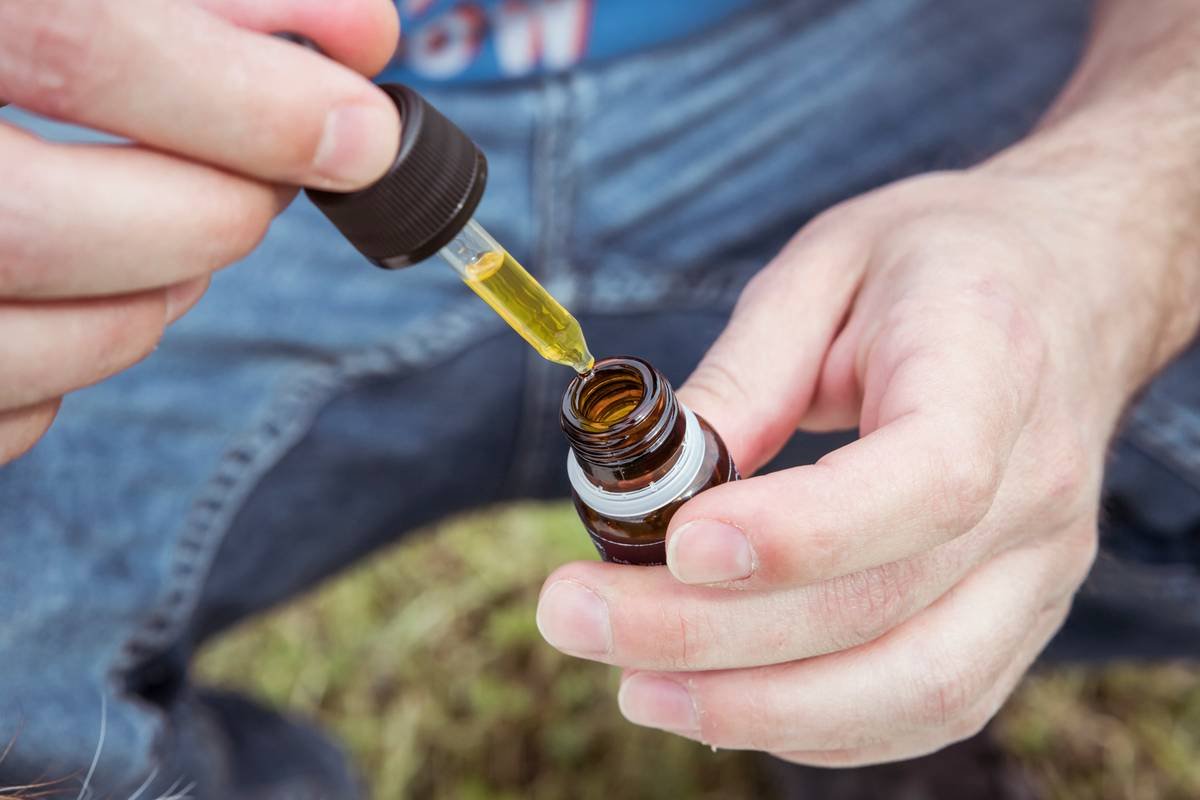
Step 1: Apply to Damp Skin
Right after showering (or splashing water on your face), pat your beard dry—leave it slightly damp. Water opens hair cuticles, allowing oil to penetrate deeper.
Step 2: Dispense the Right Amount
- Stubble to 1 inch: 2–3 drops
- 1–3 inches: 4–5 drops
- 3+ inches: 6+ drops
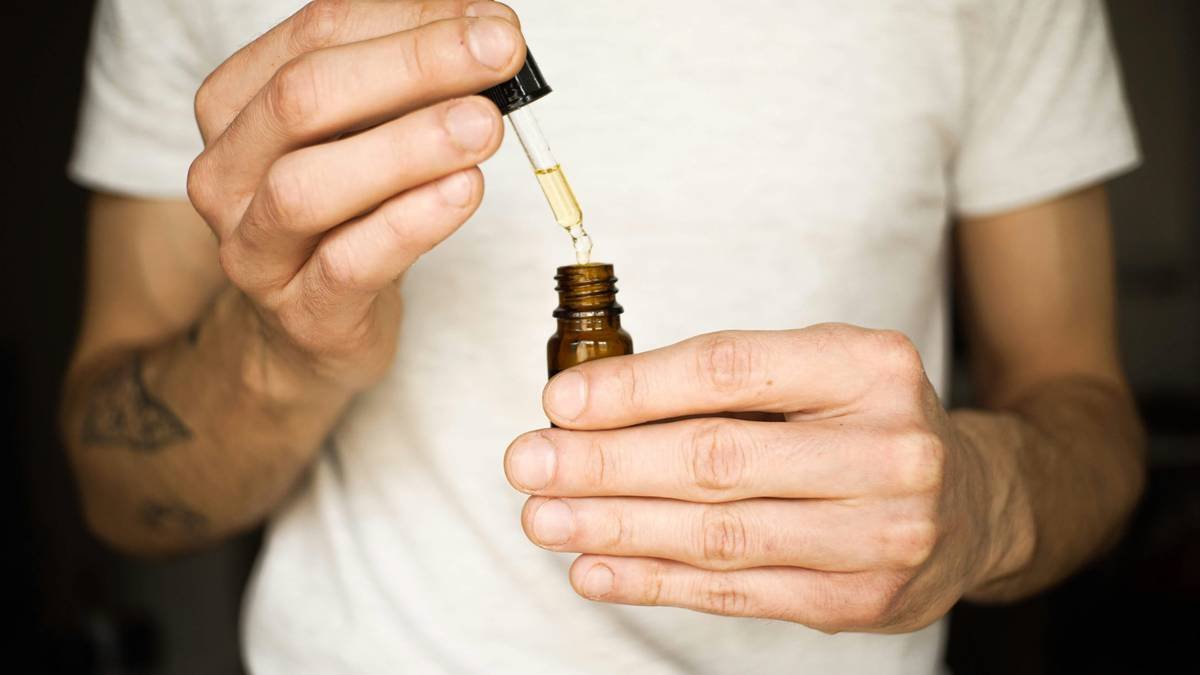
Pour into palms, rub hands together, and warm the oil between fingers.
Step 3: Massage In—Downward First, Then Outward
Start at the roots (skin level!) and work downward through the length. Don’t just slap it on the surface—your skin needs love too. Finish by combing through with a boar-bristle brush to distribute evenly.
Terrible Tip Disclaimer:
❌ “Use as much as you want—it’ll absorb!” Nope. Over-application causes greasy buildup, clogged pores, and attracts dirt. Less is more.
5 Non-Negotiable Best Practices for Beard Oil Success
- Prioritize carrier oils over “fragrance oils.” Jojoba mimics human sebum. Argan is rich in vitamin E. Grapeseed is lightweight and non-comedogenic. Avoid mineral oil—it sits on skin without nourishing it.
- Check for allergens. If you’re sensitive to nuts, skip sweet almond oil. Patch-test new formulas behind your ear for 24 hours.
- Store in amber glass. Light degrades essential oils. Plastic bottles leach chemicals. Amber = shelf life + potency.
- Pair with a beard comb, not just hands. Fingers miss patches. A wooden or boar-bristle comb ensures even distribution and trains hairs to grow uniformly.
- Reapply midday if you’re outdoors. Wind, sun, and pollution strip moisture. Keep a travel-sized bottle in your gym bag or desk.
Rant Section: My Niche Pet Peeve
Why do brands still sell “beard oil” that’s 90% fragrance and 10% filler? Smelling like sandalwood won’t fix flaky skin if there’s zero jojoba in the mix. Stop selling perfume in a dropper bottle and call it skincare.
Real Results: When Beard Oil Actually Changed Lives (Not Just Beards)
Meet Marcus T., 34, software engineer from Portland. He grew a beard to hide acne scarring but battled constant redness and scaling. After switching to a jojoba-argan blend (and applying post-shower as directed), his dermatologist noted “significant reduction in perifollicular inflammation” at his next checkup.
Then there’s Raj K., 28, barista and beard competition finalist. His secret? Rotating seasonal oils—lighter grapeseed blends in summer, richer argan in winter. “It’s not about looking good for judges,” he told me. “It’s about not itching during latte art.”
In a 2023 survey by GQ Grooming, 81% of regular beard oil users reported improved confidence and fewer skin issues within two weeks. Consistency + quality = visible results.
FAQs About Beard Oil Grooming Essentials
Can I use regular hair oil on my beard?
No. Scalp hair is coarser and less sensitive. Facial skin needs gentler, non-comedogenic oils. Using hair serum may clog pores and trigger breakouts.
How often should I use beard oil?
Daily—ideally in the morning after cleansing. If you have oily skin, try every other day. Adjust based on climate and beard length.
Does beard oil help with growth?
Not directly. But by reducing breakage and inflammation, it creates a healthier environment for existing hairs—so your beard appears fuller and grows longer without snapping.
Can women use beard oil?
Absolutely! Many use it for eyebrows, dry scalp patches, or cuticle care. The ingredients are gender-neutral—hydration is hydration.
What if my beard still feels greasy?
You’re likely over-applying or using a heavy oil (like coconut). Switch to a lighter formula and reduce drops by half. Give it 3 days to adjust.
Conclusion
Beard oil grooming essentials aren’t about vanity—they’re basic hygiene for anyone with facial hair. From stopping itch before it starts to adding shine without grease, the right oil is your beard’s daily multivitamin. Remember: choose quality carrier oils, apply to damp skin, and stay consistent. Skip the gimmicks, ignore the “manly” marketing nonsense, and treat your face like the delicate ecosystem it is.
Your beard shouldn’t feel like straw. It shouldn’t flake onto your collar. And it definitely shouldn’t make you scratch in meetings. With these evidence-backed tips, you’re not just maintaining a beard—you’re mastering it.
Like a Tamagotchi, your beard needs daily care. Neglect it, and it dies (metaphorically, we hope).