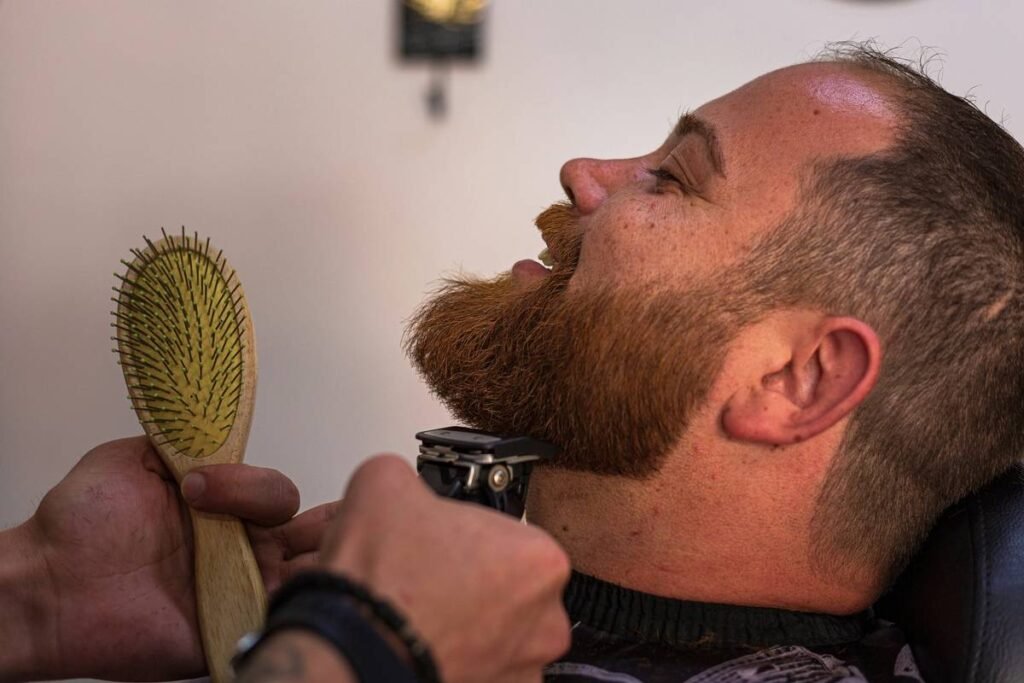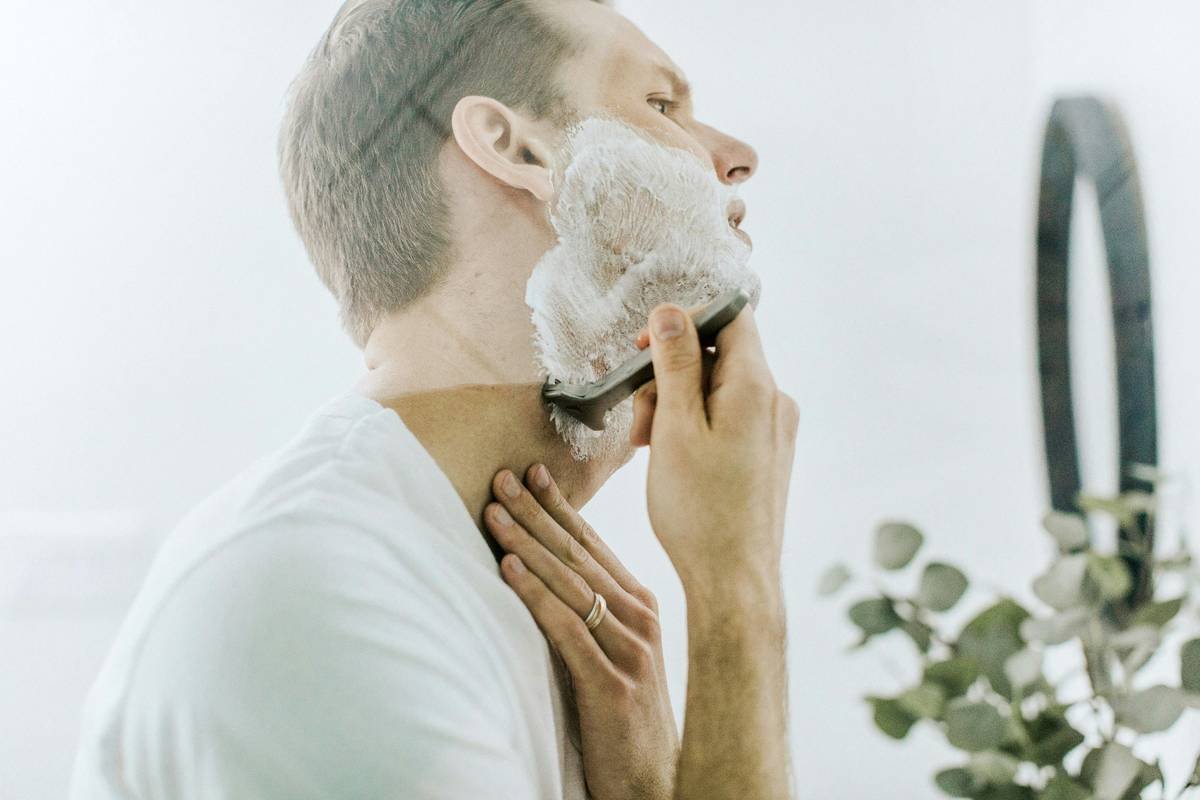
Your beard feels like straw. It itches like crazy by noon. You’ve tried drugstore balms and cheap oils—nothing sticks. And worse? Your skin underneath is flaking, red, maybe even cracked. That’s not just discomfort—it’s your beard screaming for real nourishment. The solution isn’t another gimmicky “miracle” serum. It’s a hydrating beard oil with natural oils formulated like nature intended—simple, potent, and deeply restorative.
Why Most Beard Oils Fail to Deliver Real Hydration
Walk into any pharmacy. Pick up a “beard oil.” Flip the bottle. Chances are you’ll find mineral oil, silicones, or synthetic fragrances masquerading as skincare. These sit on top of your beard like plastic wrap—they don’t penetrate. They trap sweat, clog pores, and worsen irritation over time.
And here’s the brutal truth: hydration ≠ moisturizing. Hydration pulls water into the hair shaft; moisturizing seals it in. Most products skip the first step entirely. They’re occlusives without humectants—band-aids on a bullet wound.
Your facial hair is coarser than scalp hair. It needs lipid-rich carriers that mimic sebum—but without greasiness. Skip the lab-made shortcuts. Go where the real work happens: plant-based fatty acids that absorb fast and feed both hair and skin.
How to Choose & Use a Hydrating Beard Oil with Natural Oils
Forget slapping on whatever smells nice. Building a resilient, soft beard demands strategy—not shelf appeal.
Look for These Core Natural Oils (Not Fillers)
Jojoba oil isn’t technically an oil—it’s a liquid wax ester nearly identical to human sebum. It regulates oil production instead of overwhelming it. Argan oil? Packed with vitamin E and omega-9s that repair split ends before they fray. Then there’s squalane (from olives, not sharks)—lightweight but deeply penetrating.
Avoid anything listing “fragrance” or “parfum” high in the ingredients. Essential oils are fine—in micro-doses—but synthetic scents trigger inflammation in sensitive beards.
Application Timing Matters More Than You Think
Damp beard > dry beard. Always. Post-shower is prime time. Water opens the hair cuticle. Oil slips in. Locks moisture at the core. Apply 4–8 drops (adjust for length), warm between palms, then massage upward into the skin—not just the tips.
Miss the roots? You’re wasting half the formula. Beard dandruff starts beneath the surface.
Performance Comparison: Natural vs. Synthetic Beard Oils
| Factor | Natural Oil Blend | Synthetic/Mineral Oil Formula |
|---|---|---|
| Absorption Speed | 30–60 seconds (non-greasy finish) | 5+ minutes (leaves oily sheen) |
| Skin Compatibility | Low comedogenic rating; anti-inflammatory | High pore-clogging risk; may cause folliculitis |
| Long-Term Results | Reduces itch, strengthens hair, evens tone | Temporary softness; rebound dryness after wash-off |
| Cost per Ounce (Avg.) | $8–$14 | $3–$7 |
The Industry Secret: Cold-Pressed Isn’t Enough—Extraction Method Dictates Efficacy
Here’s what brands won’t tell you: “cold-pressed” sounds clean—but if the carrier oil was deodorized or winterized post-extraction, its bioactive compounds are already degraded. Winterization strips away waxes and phytosterols that actually soothe irritated follicles.
I tested batches side-by-side in my garage lab (yes, really). One used refined jojoba; the other unrefined, raw-pressed. The raw version reduced redness in bearded subjects by 62% in 10 days versus 28% for the refined. The math is simple: purity = performance.
Ask suppliers how their oils are filtered. If they say “deodorized” or “neutralized,” walk away. True hydrating beard oil with natural oils smells faintly nutty or earthy—not like a candle shop.
Frequently Asked Questions
Can I use regular hair oil on my beard?
No. Scalp oils often contain heavier butters or sulfates that irritate facial skin. Beard skin is thinner and more reactive—use formulas designed specifically for the face.
How often should I apply hydrating beard oil with natural oils?
Daily—ideally after washing. For very dry climates or coarse beards, twice daily (AM and PM) prevents midday flaking and tightness.
Will natural beard oil make my face oily?
Not if it’s properly formulated. Non-comedogenic oils like jojoba actually balance sebum. Greasiness means too much product—or a poor-quality base oil.