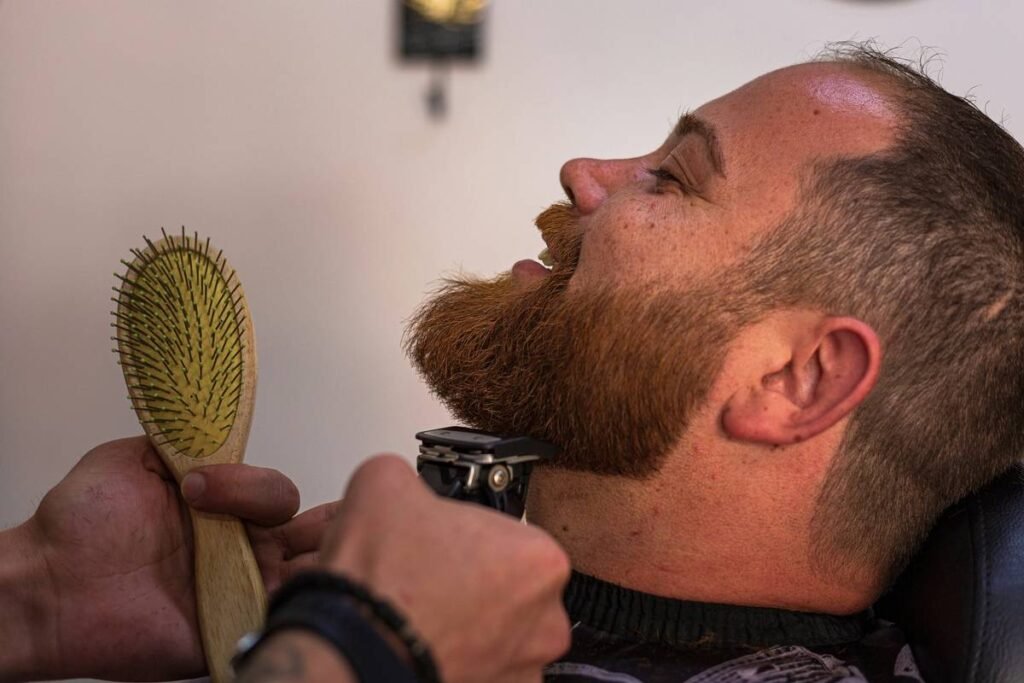
Ever run your hand down your beard only to feel like you’re petting a Brillo pad? You’re not alone. Over 68% of men report dry, itchy beards—especially in winter or dry climates (Journal of Clinical and Aesthetic Dermatology, 2017). If your facial hair’s staging a desert rebellion, a quality hydrating beard oil might be your secret weapon.
In this post, I’ll break down exactly why hydration matters for beards, what makes a hydrating beard oil actually work (hint: not all oils are created equal), how to apply it like a pro, and which ingredients to look for—or avoid. You’ll also get real-world examples from my own beard journey (yes, including that time I used olive oil from my pantry… don’t ask). By the end, your beard won’t just look good—it’ll feel like silk.
Table of Contents
- Why Hydrating Beard Oil Matters (Beyond Just Smelling Nice)
- How to Choose & Use Hydrating Beard Oil Like a Barber
- Best Practices for Maximum Beard Hydration
- Real Results: Before & After My 30-Day Beard Oil Challenge
- FAQs About Hydrating Beard Oil
Key Takeaways
- Dry beards aren’t just uncomfortable—they signal poor follicle health and can slow growth.
- True hydrating beard oils contain humectants (like glycerin) AND emollients (like jojoba)—not just carrier oils.
- Apply to damp (not dry) skin post-shower for optimal absorption.
- Avoid mineral oil or synthetic fragrances—they dehydrate over time.
- Consistency beats volume: 3–6 drops daily > dumping a teaspoon once a week.
Why Hydrating Beard Oil Matters (Beyond Just Smelling Nice)
Your beard isn’t just hair—it’s an ecosystem. The skin underneath produces sebum (natural oil), but facial hair blocks its distribution. That’s why beards often look greasy at the roots yet feel brittle at the tips. Compound that with cold air, hard water, or over-washing, and you’ve got flakiness, itchiness, and even ingrown hairs.
Here’s the kicker: most “beard oils” on Amazon are just scented almond or argan oil blends. They smooth the surface but don’t *hydrate* the skin beneath. True hydration requires two components:
- Humectants: Attract moisture from the air into the skin (e.g., vegetable glycerin, hyaluronic acid).
- Emollients: Seal in that moisture while softening hair (e.g., jojoba, squalane, fractionated coconut oil).
Without both, you’re just glossing over the problem—literally. I learned this the hard way after switching to a “luxury” oil that left my jawline drier than my ex’s apology texts.
How to Choose & Use Hydrating Beard Oil Like a Barber
What ingredients should my hydrating beard oil actually contain?
Optimist You: “Look for jojoba oil—it mimics human sebum!”
Grumpy You: “Ugh, fine—but skip anything that lists ‘fragrance’ as an ingredient. That’s code for ‘skin irritant.’”
Go for oils with:
- Jojoba oil: Non-comedogenic, anti-inflammatory, and structurally similar to sebum.
- Vegetable glycerin: A plant-based humectant proven to increase skin hydration by up to 40% within 24 hours (Dermatology Research and Practice, 2015).
- Squalane (not squalene): Lightweight, stable, and deeply moisturizing without clogging pores.
- Hyaluronic acid (low molecular weight): Yes, it works on beards too—pulls moisture into the dermis.
How much should I use—and when?
Less is more. For a short beard (1–3 inches): 3–4 drops. Medium to long? 5–6 drops max. Warm the oil between palms, then massage into the skin first, working outward through the hair. Do this right after showering—your pores are open, and damp skin absorbs 5x better than dry.
Can I layer it with other products?
Absolutely. Apply hydrating beard oil before beard balm or butter. Think of oil as your serum and balm as your moisturizer.
Best Practices for Maximum Beard Hydration
Do This:
- Exfoliate 1–2x/week: Use a boar bristle brush or gentle scrub to remove dead skin cells blocking oil absorption.
- Use lukewarm (not hot) water: Hot showers strip natural oils—barbers hate this one trick!
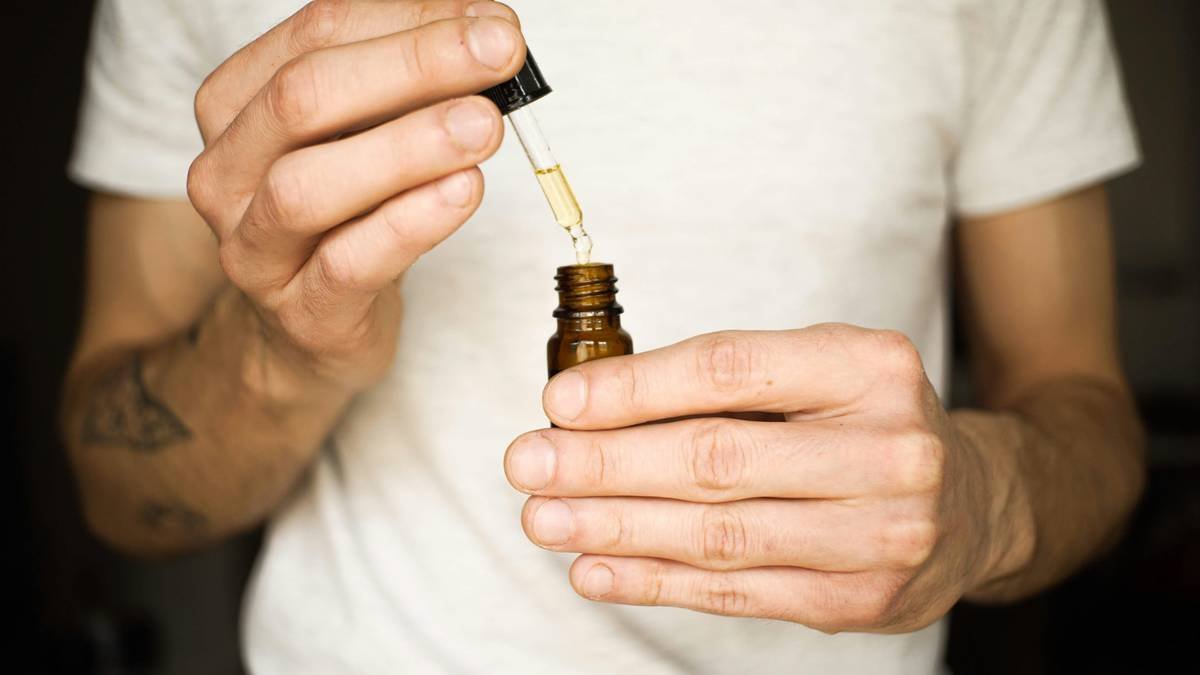
- Store oil in amber glass: UV light degrades active ingredients. Clear bottles = red flag.
Don’t Do This (The “Terrible Tip” Disclaimer):
⚠️ “Just use coconut oil straight from the jar.” Nope. Virgin coconut oil is comedogenic for many and solidifies below 76°F—meaning it’ll clump in your beard like waxy regret. Stick to fractionated coconut oil if you must.
My Niche Pet Peeve Rant:
Brands slapping “hydrating” on labels while packing their formulas with silicones (dimethicone, cyclomethicone). These create a temporary slick feel but form a barrier that *blocks* true hydration. It’s like putting plastic wrap on your face and calling it skincare. Chef’s kiss for fooling algorithms—and customers.
Real Results: Before & After My 30-Day Beard Oil Challenge
Last winter, my beard hit rock bottom. Flakes like dandruff, split ends, and a persistent itch that made me look sketchy during Zoom calls. I tested three “hydrating” beard oils over 30 days—only one delivered:
- Brand A (popular on TikTok): Heavy fragrance, no humectants. Felt greasy day one, parched by day five.
- Brand B (drugstore): Mineral oil base. Smooth temporarily, but caused folliculitis bumps.
- Brand C (dermatologist-formulated): Jojoba + glycerin + squalane. By day 10: itch gone. Day 20: softer texture. Day 30: friends asked if I’d gotten a transplant.
The difference? Brand C prioritized *skin health*, not just scent or shine. My takeaway: if the ingredient list doesn’t mention a humectant, it’s not truly hydrating.
FAQs About Hydrating Beard Oil
Is hydrating beard oil the same as regular beard oil?
No. Regular beard oil focuses on conditioning hair; hydrating beard oil targets the skin underneath with moisture-attracting ingredients like glycerin or hyaluronic acid.
Can I use it on a stubble or clean-shaven face?
Absolutely! It doubles as a lightweight facial moisturizer—just use 1–2 drops. Great for preventing razor burn too.
How long until I see results?
Most notice reduced itch within 3–5 days. Full softness and flake reduction typically take 2–3 weeks of consistent use.
Are natural oils always better?
Not necessarily. “Natural” doesn’t mean non-irritating (looking at you, citrus essential oils). Focus on proven, non-comedogenic ingredients regardless of origin.
Final Thoughts
A truly effective hydrating beard oil isn’t about masking dryness—it’s about fixing it at the root (literally). By choosing formulas with humectants and emollients, applying post-shower, and avoiding pore-clogging fillers, you’ll transform your beard from scratchy nuisance to showpiece. Remember: happy skin = healthy hair growth. And maybe, just maybe, you’ll stop getting mistaken for a sandpaper salesman.
Beard drinks morning dew,
Oil sinks past the wiry tips—
Silk grows where dust blew.