Your beard itches. It flakes. Redness flares up every time you apply that “natural” oil your buddy swears by. And the worst part? You start doubting whether growing a beard is even worth the irritation. Here’s the truth: most beard oils aren’t made for reactive skin—they’re built for scent, shine, or shelf appeal. But there’s a path forward that respects your skin’s limits without sacrificing your style.
Why Generic Beard Oils Fail Sensitive Skin
Conventional formulas overload on essential oils—lavender, tea tree, sandalwood—under the guise of “aromatherapy.” Sounds luxurious. Feels like fire on compromised skin barriers. And “fragrance-free” labels? Often code for masking agents that provoke delayed reactions. Your skin isn’t defective—it’s just reacting to ingredients never tested on truly reactive dermal types.
Big brands prioritize volatility over validation. They chase viral scents, not clinical tolerance. The result? A product that smells like a forest but behaves like sandpaper.
Choosing and Using beard oil for sensitive skin: A No-Nonsense Protocol
This isn’t about buying the priciest bottle. It’s about precision formulation and disciplined application.
Step 1: Decode the Ingredient List Like a Dermatologist
Avoid anything listing “fragrance,” “parfum,” or more than two essential oils. Prioritize carrier oils with proven low comedogenic ratings: jojoba, squalane, and fractionated coconut oil lead the pack. Look for added ceramides or colloidal oatmeal—they’re rare but game-changing.
Step 2: Patch Test—But Do It Right
Dab a rice-grain amount behind your ear or on your inner forearm. Wait 48 hours. Not 24. Histamine responses can lag. If redness, bumps, or tightness appear—even mildly—walk away. Your beard doesn’t need drama.
Step 3: Apply Less, Apply Smart
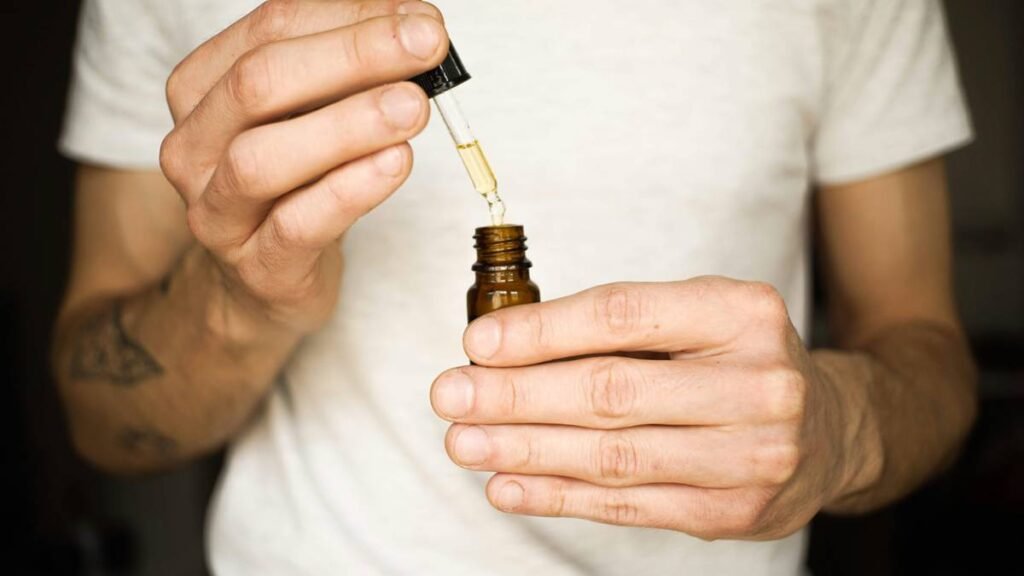
Three to five drops max. Warm between palms. Press—don’t rub—into damp (not wet) beard hair and skin underneath. Over-application suffocates pores. Under-application misses the root issue: dry, inflamed follicles.

| Oil Type | Comedogenic Rating | Suitable for Reactive Skin? | Key Benefit |
|---|---|---|---|
| Jojoba Oil | 2 | Yes | Mimics sebum; non-irritating |
| Argan Oil | 0 | Usually | Rich in vitamin E; anti-inflammatory |
| Coconut Oil (unrefined) | 4 | No | Pore-clogging for many |
| Fractionated Coconut Oil | 1 | Yes | Lightweight, stable, non-greasy |
| Tea Tree Essential Oil | N/A | Rarely | Highly sensitizing despite antimicrobial claims |
The Industry Secret: “Sensitive-Safe” Doesn’t Mean Boring
Here’s what big labs won’t tell you: you can have subtle scent without skin sabotage. Some indie formulators use trace amounts of steam-distilled botanical isolates—like bisabolol from chamomile—that offer aroma and soothing action simultaneously. No synthetic musks. No citrus oils (phototoxic!). Just clean, quiet fragrance that doesn’t compromise barrier integrity.
And the real kicker? Many “dermatologist-tested” claims are based on 48-hour patch tests on healthy volunteers—not people with rosacea, eczema, or chronic dryness. Demand transparency: ask for full ingredient disclosure and third-party stability data. If they hesitate, they’re hiding something.

Frequently Asked Questions
Can I use regular beard oil if I dilute it?
Not reliably. Diluting may reduce intensity—but allergens remain. Better to start clean with a formula built for sensitivity from day one.
How often should I apply beard oil for sensitive skin?
Once daily, post-shower. Overuse increases occlusion risk. Let your skin breathe—your beard will thank you.
Will beard oil help with beardruff?
Yes—if it contains barrier-repairing oils. Flaking often stems from underlying dryness, not dandruff. Hydrate the skin beneath, and the flakes fade.