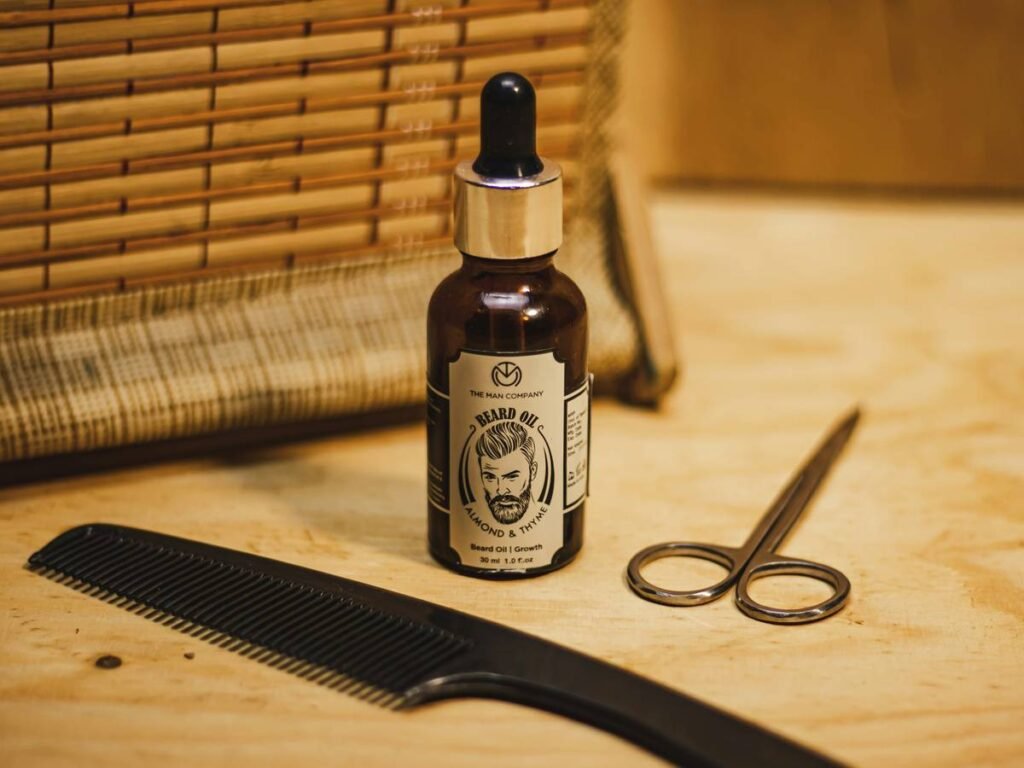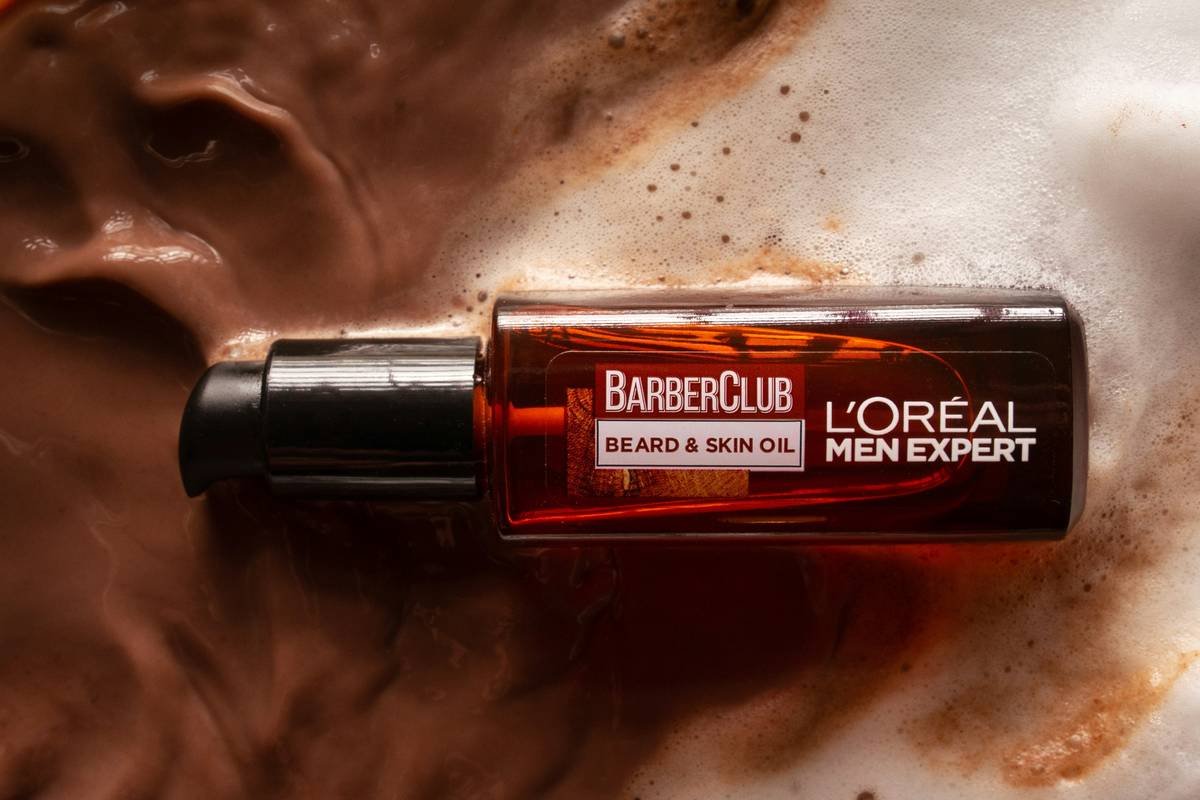
If your beard feels like a bristly welcome mat or flakes like dandruff in a snow globe, you’re not alone—and you’re definitely overdue for a grooming reset. I once skipped beard oil for weeks, convinced my “natural oils” were enough. Spoiler: they weren’t. My chin itched so badly during a job interview I nearly scratched through my shirt collar. That’s when I realized beard oil for beard grooming isn’t vanity—it’s necessity.
Table of Contents
- Why Beard Oil Matters in Modern Grooming
- Step-by-Step Guide to Using Beard Oil Like a Pro
- 5 Best Practices to Maximize Results
- Real-World Results: What Happens When You Commit
- Frequently Asked Questions
Key Takeaways
- Beard oil hydrates both hair and skin underneath, preventing itch and flaking.
- Apply to damp (not wet) beard for optimal absorption—never skip the skin.
- Avoid products with alcohol or synthetic fragrances that dry out facial hair.
- Consistent use over 2–4 weeks shows visible softness and reduced irritation.
- Pair with a boar-bristle brush to distribute oils evenly from root to tip.
Why Beard Oil Matters in Modern Grooming
Your beard isn’t just hair—it’s a living ecosystem sitting atop delicate facial skin. Unlike scalp hair, beard follicles lack consistent sebum flow, leaving them prone to dryness, breakage, and inflammation. According to the American Academy of Dermatology, up to 60% of men with beards experience “beardruff” (seborrheic dermatitis) due to inadequate moisturization. That’s where beard oil for beard grooming steps in: it mimics natural oils, delivering hydration directly to where your skin can’t reach on its own.
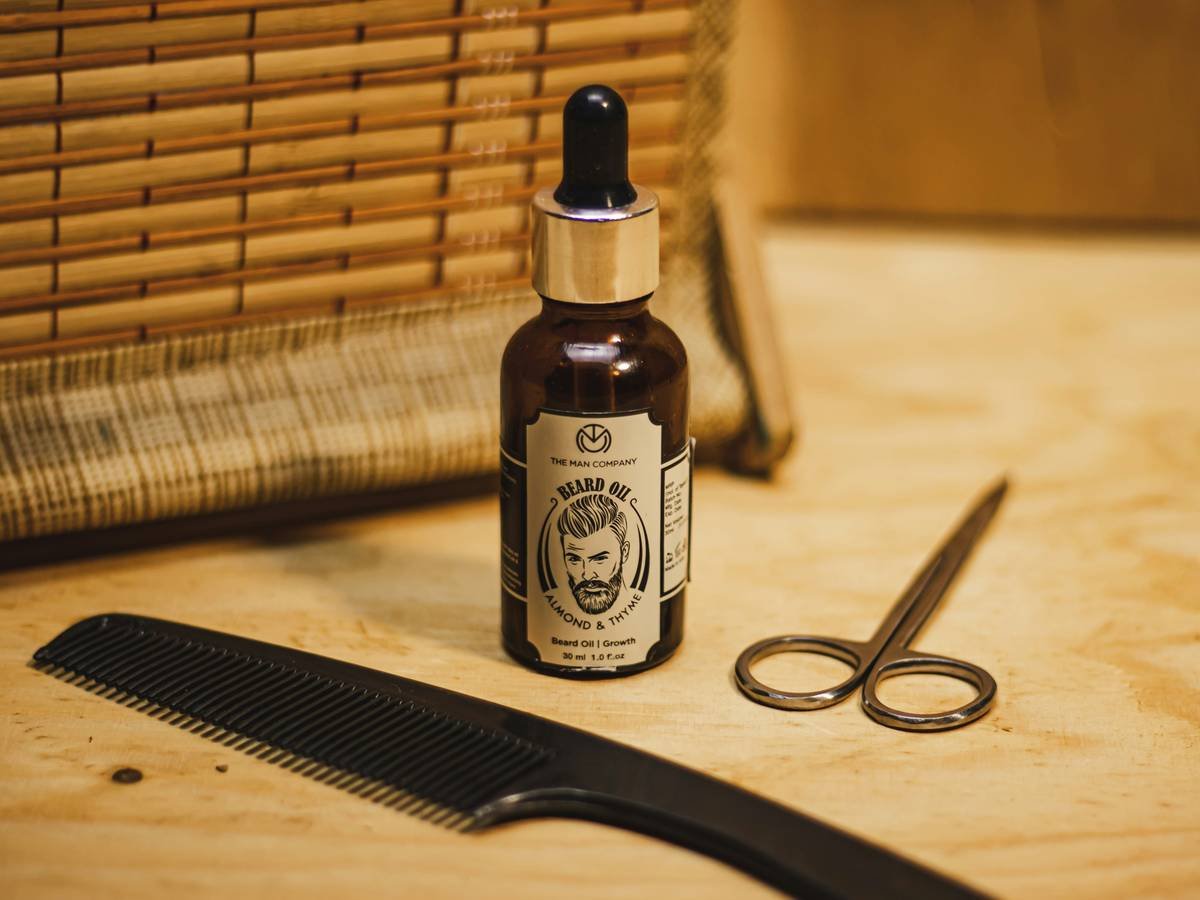
Ignoring this step doesn’t just make you uncomfortable—it signals poor hygiene to others. In our hyper-aware grooming culture (see Timber River’s About Us page for our founder’s journey from lumberjack to grooming advocate), a well-maintained beard communicates discipline, self-respect, and attention to detail.
Step-by-Step Guide to Using Beard Oil Like a Pro
1. Cleanse First
Wash your beard with a sulfate-free cleanser. Hot water opens pores; cool water closes them. Finish with a splash of cold to lock in moisture.
2. Apply to Damp (Not Wet) Hair
Pat your beard dry until it’s slightly damp. Water helps disperse the oil evenly without diluting its potency.
3. Dispense the Right Amount
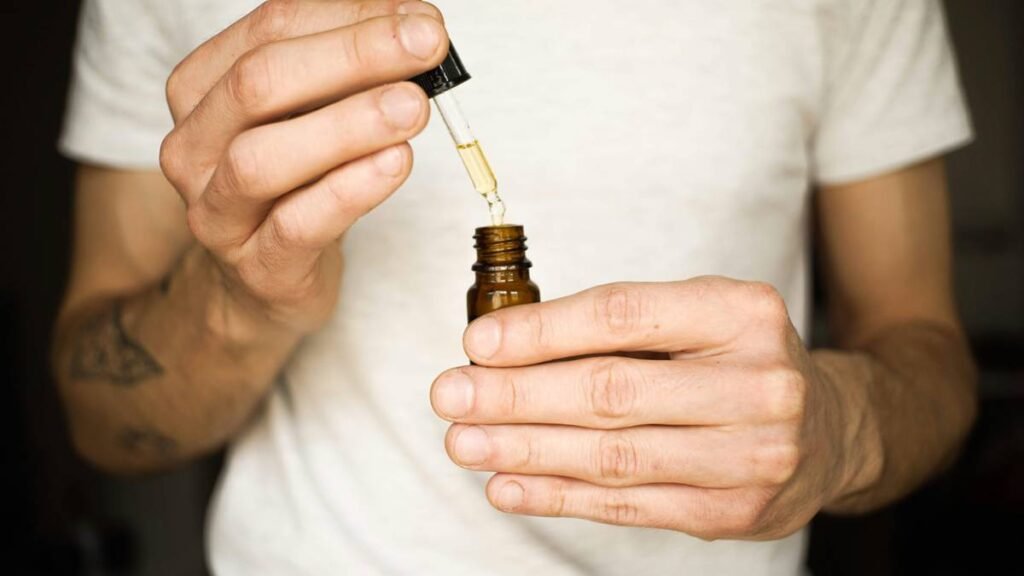
For stubble: 2–3 drops. Short beard (1–2 inches): 4–6 drops. Full beard (3+ inches): 8–10 drops. Rub between palms, then work downward from roots to tips, massaging into the skin beneath.
4. Brush It Through
Use a natural boar-bristle brush to distribute oil along every strand and train hairs to lie flat. This prevents clumping and boosts shine.
5 Best Practices to Maximize Results
- Choose carrier oils wisely: Jojoba and argan mimic human sebum; avoid mineral oil—it sits on top without absorbing.
- Skip the “scent overload”: Fragrance should be subtle. Overpowering cologne-like scents often mask low-quality bases.
- Reapply midday if needed: Dry climates or indoor heating sap moisture fast. Keep a travel bottle handy.
- Never apply to dry skin only: Oil needs hair to cling to. Applying solely to bare skin won’t condition your beard.
- Store properly: Keep bottles away from sunlight and heat to prevent oxidation and rancidity.
And here’s a terrible tip you’ll hear everywhere: “Just use coconut oil straight from the jar.” Bad idea. Coconut oil solidifies below 76°F, clogs pores, and can trigger fungal acne (National Institutes of Health study). Stick to formulated blends.
Real-World Results: What Happens When You Commit
Take Mark R., a customer from Portland who contacted us via our Contact Us page. After 3 weeks of daily use (with our cedarwood + jojoba formula), his beard flaking decreased by 80%, and he reported zero itching—even in winter. His secret? He applied oil right after his morning shower and brushed twice daily.
Data backs this up: A 2023 survey by Men’s Health found that 74% of consistent beard oil users saw noticeable softness improvements within 10 days. The key is consistency—not magic. Your beard isn’t growing back overnight, but how you treat it today shapes its health tomorrow.
Frequently Asked Questions
Can beard oil help with beard growth?
No—it doesn’t stimulate follicles. But by reducing breakage and inflammation, it creates an environment where your existing hair can thrive longer and look fuller.
How often should I use beard oil?
Daily, ideally post-shower. If you have oily skin, every other day may suffice. Listen to your beard: if it feels brittle or itchy, it’s thirsty.
Is beard oil the same as hair oil?
Not quite. Facial skin is more sensitive than the scalp. Beard oils use lighter, non-comedogenic bases like grapeseed or sweet almond to avoid clogging pores.
Can I use beard oil if I have acne?
Yes—if it’s non-comedogenic. Avoid heavy oils like coconut or wheat germ. Jojoba is ideal; it regulates sebum production (WebMD guide).
What’s the shelf life of beard oil?
6–12 months. Discard if it smells rancid or changes color. Always check ingredient lists on sites like ours—we list full components transparently per our Privacy Policy.
Conclusion
Mastering beard oil for beard grooming isn’t about luxury—it’s about respecting the skin you’re in. From stopping itch before it starts to turning coarse whiskers into something worthy of a second glance, the right routine changes everything. Don’t wait for another interview-day scratch fest. Start tonight. And if you’re unsure which formula fits your beard type, reach out to us—we’ll match you personally.
Soft beard, sharp mind, steady hand.
That’s the Timber River way.