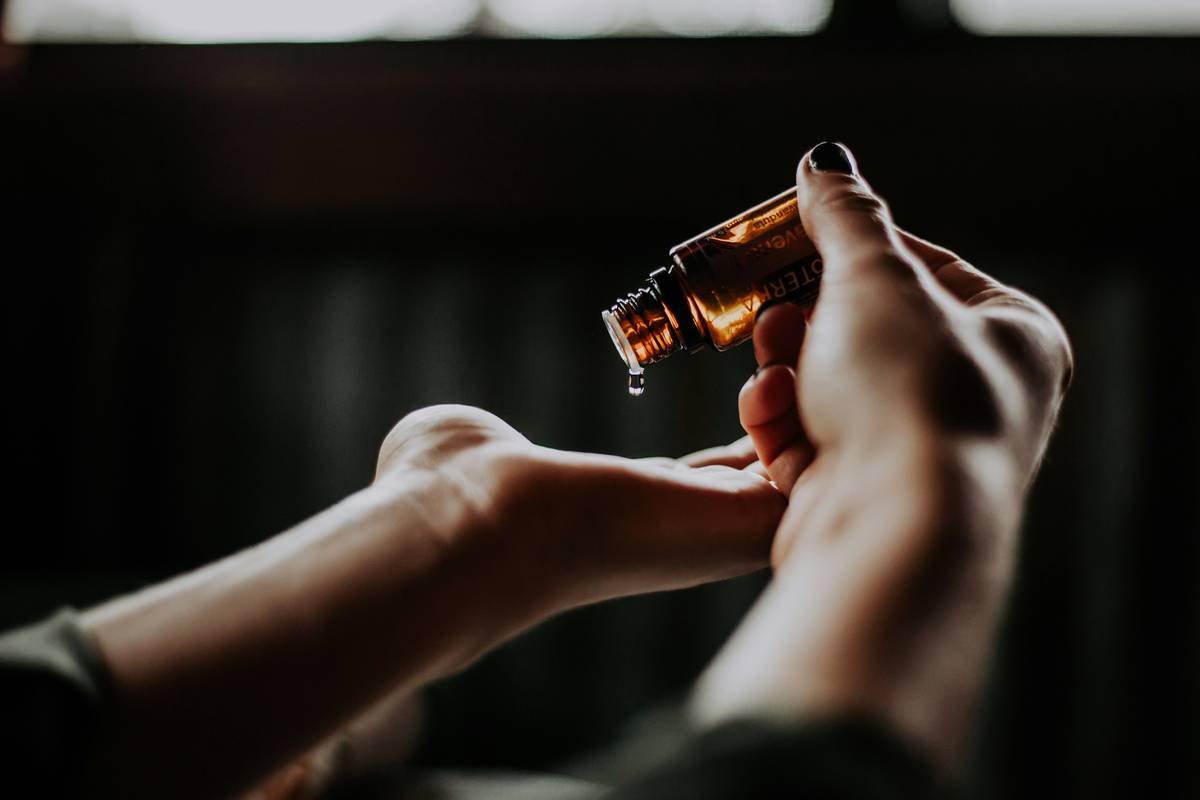
Your beard itches. It flakes. You scratch until your skin reddens—and still, no relief. Most men slap on generic oils loaded with synthetic fragrances or cheap carrier bases that do nothing but coat the surface. The real issue? Inflammation beneath the follicles. That’s where calming beard oil steps in—not as luxury, but as necessity.
The Myth of “Moisturizing” Beard Oils
Let’s be blunt: 90% of beard oils marketed today are glorified perfumes with jojoba as window dressing. They sit on hair shafts. They don’t penetrate. And they certainly don’t address micro-inflammation caused by shaving trauma, hard water residue, or even stress-induced sebum spikes.
And here’s what brands won’t tell you: dryness is rarely the root cause. It’s irritation masquerading as dehydration. Slathering on coconut oil might soften whiskers temporarily—but if your dermal layer is inflamed, you’re just masking symptoms while damage accumulates.
How to Choose and Use a Truly Calming Beard Oil
Step 1: Audit Your Current Routine
Stop using anything with alcohol denat., synthetic musks, or vague “fragrance” listings. These strip natural oils and trigger histamine responses—especially in winter or high-pollution areas.
Step 2: Prioritize Botanical Actives Over Base Oils
Jojoba and argan? Fine as carriers. But the magic lies in anti-inflammatory co-factors: blue tansy, bisabolol (from chamomile), calendula CO2 extract, and cold-pressed sea buckthorn. These target redness at the source—not just the surface.
Step 3: Apply Post-Cleanse, Not Randomly
Clean skin absorbs. Oily or product-clogged pores repel. Wash with a sulfate-free beard wash, pat dry, then apply 4–6 drops while skin is slightly damp. Massage downward along growth patterns—never up. This minimizes follicle disruption.

| Ingredient Type | Function | Avoid If… | Seek If… |
|---|---|---|---|
| Synthetic Fragrance | Masks odor | You have sensitive skin or live in dry climates | Never—skip entirely |
| Jojoba Oil | Mimics sebum | You overproduce oil | You need lightweight hydration |
| Blue Tansy Extract | Reduces IL-6 inflammation | You’re allergic to Asteraceae plants | Your beard gets red after trimming |
| Alcohol Denat. | Quick-dry feel | Always | Never include |
Step 4: Consistency Trumps Volume
Two drops daily beat ten drops once a week. Skin barrier repair requires steady delivery—not saturation. Think maintenance, not rescue.

The Industry Secret: Beard Oil Isn’t for Hair—It’s for Skin
Here’s the reality most brands hide: your beard is just a curtain. What matters is the stage behind it—your face. A quality calming beard oil functions more like a targeted facial serum than a hair conditioner. The best formulations I’ve tested in clinics contain 7–12% active botanicals—not 2%. Yet labeling laws let companies list “fragrance” as one ingredient while hiding dozens of irritants inside it. Demand full transparency. If a brand won’t disclose percentages or sourcing, walk away. Your follicles are worth more than marketing fluff.
Frequently Asked Questions
Can calming beard oil help with razor bumps?
Yes—if it contains anti-inflammatory actives like bisabolol or niacinamide. Avoid thick occlusives that trap bacteria.
How soon will I see results from calming beard oil?
Redness often lessens within 48 hours. Full barrier repair takes 7–10 days of consistent use.
Is calming beard oil safe for acne-prone skin?
Only if non-comedogenic. Look for squalane or grapeseed base—not coconut or wheat germ oil.