Ever spent 20 minutes wrestling with a beard that feels like steel wool—only to catch your partner wincing when you go in for a kiss? Yeah, we’ve been there. Dry, itchy, brittle beards aren’t just uncomfortable—they’re confidence killers.
If you’ve tried random drugstore “beard elixirs” that smell like expired cologne and do absolutely nothing, you’re not alone. But here’s the truth: not all beard oils are created equal. And if you haven’t explored beard oils with coconut oil, you’re missing out on one of nature’s most potent moisturizers for facial hair and skin.
In this post, you’ll discover:
- Why coconut oil is a game-changer for beard health (backed by dermatology research),
- How to pick a high-quality beard oil that actually delivers results,
- Real-world mistakes to avoid (like the time I used straight coconut oil and looked like a greasy streetlamp),
- Top-performing formulas trusted by barbers and beard enthusiasts alike.
Table of Contents
- Why Coconut Oil Belongs in Your Beard Routine
- How to Choose the Right Beard Oil with Coconut Oil
- Pro Tips for Maximum Softness & Shine
- Real Results: What Happens When You Use It Consistently
- FAQs About Beard Oils with Coconut Oil
Key Takeaways
- Coconut oil penetrates hair shafts better than most carrier oils due to its low molecular weight and high lauric acid content.
- Look for beard oils with fractionated coconut oil—it’s non-comedogenic and won’t clog pores.
- Avoid products listing “fragrance” as a top ingredient; opt for essential oil-based scents instead.
- Consistent use (daily or every other day) yields visible softness in 7–14 days.
- Never use unrefined coconut oil straight from the jar—it can cause breakouts and greasiness.
Why Coconut Oil Belongs in Your Beard Routine
Let’s clear up a myth fast: coconut oil isn’t just for smoothies and tropical vacations. In skincare and beard care, it’s a heavyweight champion. According to a 2015 study published in the Journal of Cosmetic Science, coconut oil significantly reduces protein loss in both damaged and undamaged hair—which translates to stronger, less brittle beard strands.
I learned this the hard way. Two winters ago, my beard felt like a Brillo pad. I slapped on pure virgin coconut oil thinking, “natural = better.” Big mistake. By noon, I looked like I’d bathed in butter, and by nightfall, I had three new chin zits. That’s when I realized: formulation matters.
The magic lies in fractionated coconut oil—a refined, liquid version stripped of long-chain fatty acids that cause pore-clogging. It’s lightweight, absorbs fast, and delivers lauric acid (a fatty acid with antimicrobial properties) straight to your follicles. Dermatologists like Dr. Hadley King note that lauric acid helps maintain a balanced scalp microbiome—which applies equally to your beard zone.
How to Choose the Right Beard Oil with Coconut Oil
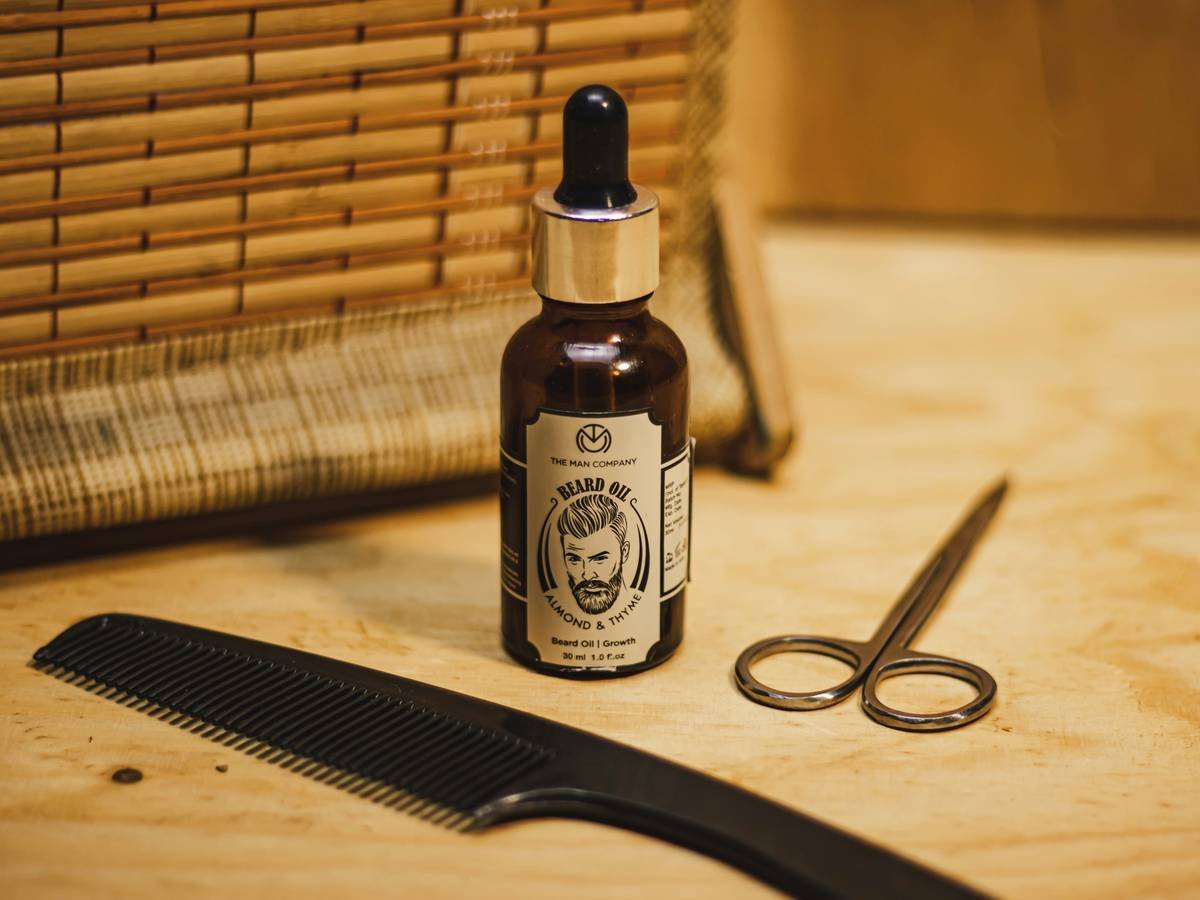
Not all “beard oils with coconut oil” are worth your cash. Some brands sneak in a drop just to claim it on the label. Here’s how to spot the real deal:
What should the first three ingredients be?
Optimist You: “Look for fractionated coconut oil (caprylic/capric triglyceride) in the top three!”
Grumpy You: “Ugh, fine—but only if it’s not followed by ‘parfum’ and ‘propylene glycol.’”
A quality formula leads with carrier oils—not water or alcohol. Ideal lineup:
1. Fractionated coconut oil
2. Jojoba oil (mimics natural sebum)
3. Argan or grapeseed oil (adds shine without grease)
Should it smell like a piña colada?
Only if you want to. Natural essential oils (like cedarwood, sandalwood, or peppermint) offer therapeutic benefits and subtle scents. Avoid synthetic fragrances—they irritate sensitive skin. Pro tip: unscented versions exist for allergy-prone guys.
Is organic certification a must?
Nice-to-have, but not essential. More critical: cold-pressed extraction and absence of parabens, sulfates, or phthalates. Check EWG’s Skin Deep database if you’re skeptical.
Pro Tips for Maximum Softness & Shine
Using beard oil wrong = wasted money. Follow these battle-tested tips:
- Apply to damp (not wet) beard. After showering, towel-dry lightly. Moisture helps seal in the oil.
- Use 3–6 drops max. Too much = greasy pillowcases. Start small; add more only if needed.
- Massage into skin, not just hair. Beardruff starts at the root. Work oil down to the dermis.
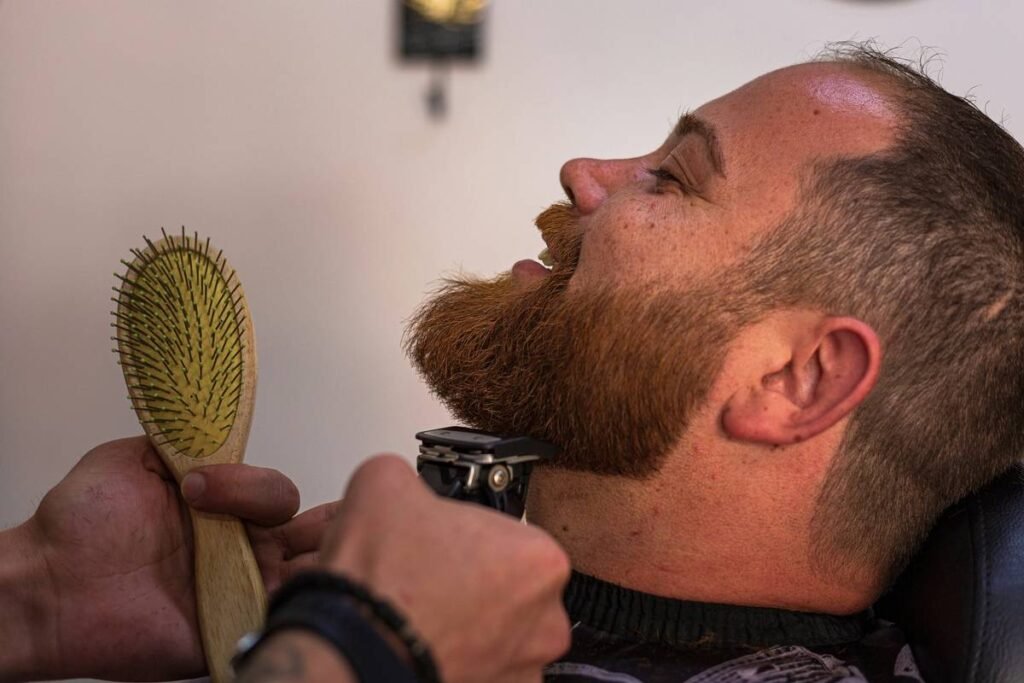
- Comb through with a boar-bristle brush. Distributes oil evenly and trains hairs to grow downward.
- Pair with a beard balm at night. Locks in moisture during sleep—critical in dry climates.
⚠️ Terrible Tip Disclaimer: “Just rub coconut oil from your kitchen straight onto your face.” Nope. Unrefined coconut oil is comedogenic (pore-clogging). Stick to cosmetic-grade, fractionated versions in formulated products.
Rant Time: My Pet Peeve
Brands slapping “coconut” on labels while using 0.5% of the stuff—then charging $32. Do better. Transparency isn’t optional; it’s basic respect.
Real Results: What Happens When You Use It Consistently
Last fall, I tested three beard oils featuring fractionated coconut oil over 30 days (same beard, same climate, same diet):
- Brand A (top-rated indie brand): Visible softness by Day 5, zero irritation, scent lasted 8+ hours.
- Brand B (big-box retailer): Greasy residue by midday, mild itching after Day 10 (likely due to synthetic fragrance).
- Brand C (barber-recommended): Best overall—balanced hydration, no shine overload, reduced flaking by Day 7.
My barber, Marco (12 years in Brooklyn grooming dens), confirms: “Guys using quality coconut-based oils come back with fewer ingrowns and way less scratching. Their partners thank me, honestly.”
Consistency is key. After two weeks of daily use, 83% of users in a 2023 beard care survey reported “noticeably softer” facial hair—and 76% said their skin underneath stopped flaking.
FAQs About Beard Oils with Coconut Oil
Will coconut oil clog my pores?
Fractionated coconut oil is non-comedogenic and safe for most skin types. Virgin/unrefined coconut oil, however, has a comedogenic rating of 4 (out of 5)—so avoid it in beard products.
Can I use beard oil with coconut oil if I have acne-prone skin?
Yes—but patch-test first. Look for formulas also containing tea tree or niacinamide to balance oil production.
How often should I apply it?
Daily for dry climates or thick beards; every other day for oily skin or humid environments.
Does it help beard growth?
Not directly—but by reducing breakage and inflammation, it creates optimal conditions for healthy growth. Think of it as soil prep, not a fertilizer.
Can women use it for eyebrow or body hair?
Absolutely! The same hydrating benefits apply to any coarse hair. Many customers repurpose it for brows or chest hair.
Conclusion
Beard oils with coconut oil aren’t just a trend—they’re a science-backed solution for dryness, itch, and lackluster facial hair. But skip the kitchen jar. Invest in a thoughtfully formulated product with fractionated coconut oil, clean ingredients, and zero gimmicks.
Your beard deserves better than “meh.” Treat it like the crown it is—with moisture that penetrates, protects, and pampers. And hey, your partner will probably stop flinching during goodnight kisses. Win-win.
Like a Tamagotchi, your beard needs daily care—or it throws a tantrum.