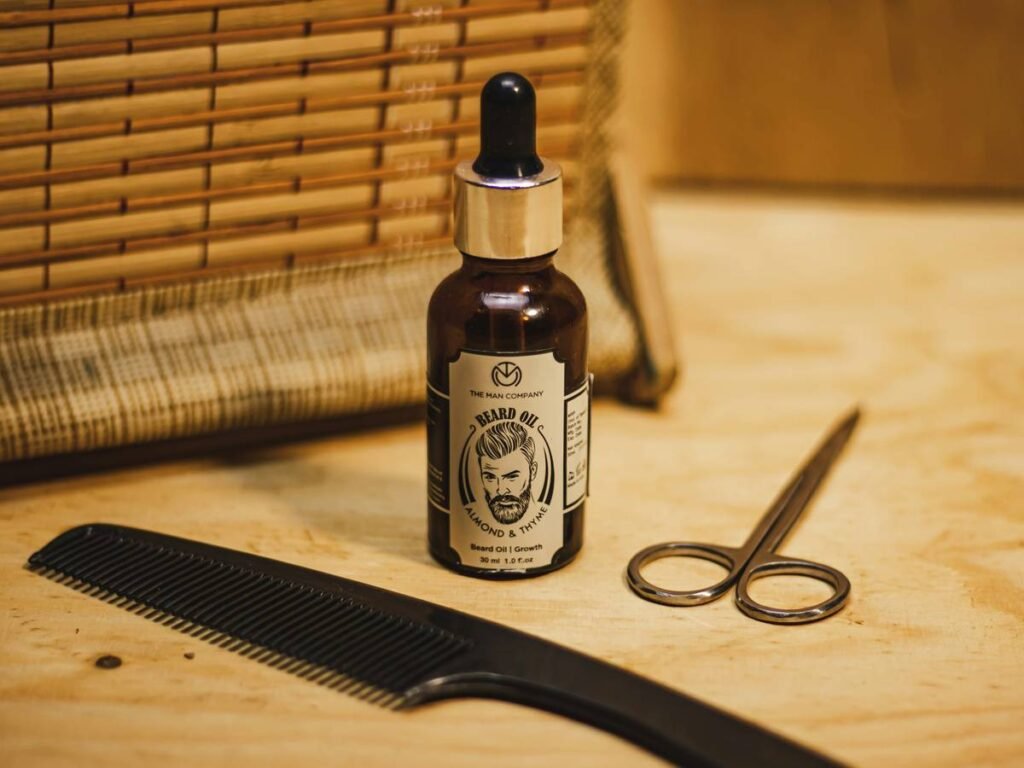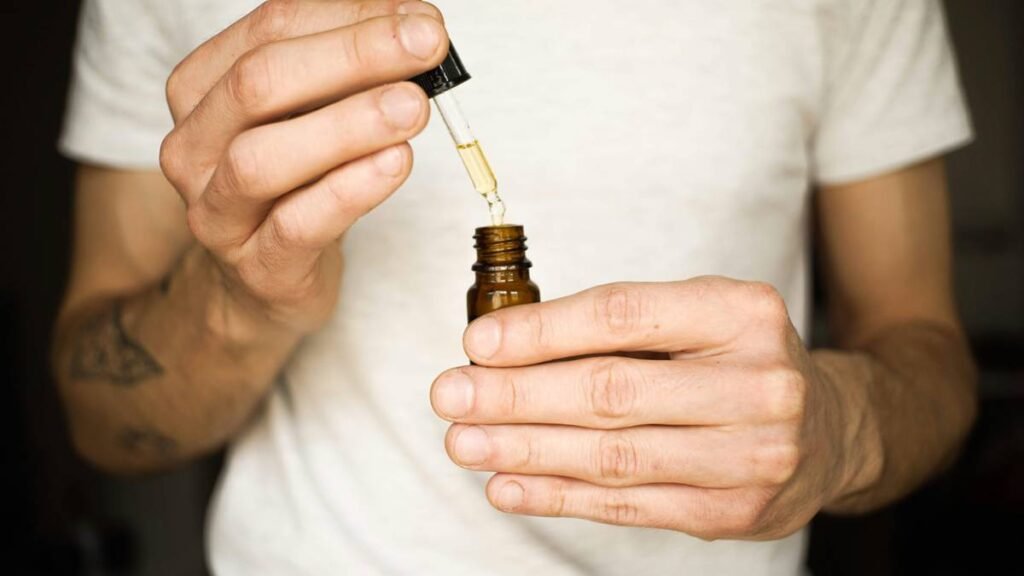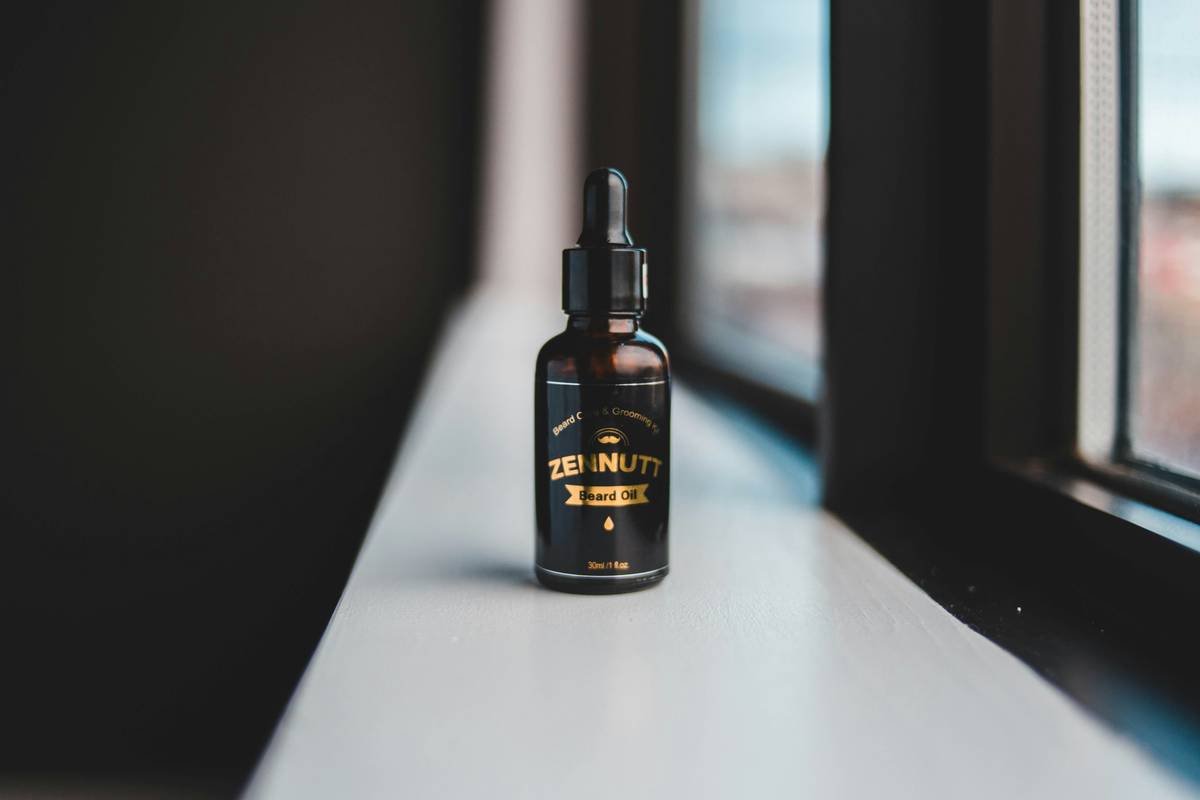
Ever run your fingers through your beard only to feel like you’re petting a Brillo pad? Or worse—get that dreaded “scratchy hug” complaint from your partner? You’re not alone. A 2019 study in the Journal of Clinical and Aesthetic Dermatology found that 68% of men with beards experience dryness, flakiness, or irritation within the first six weeks of growth. The culprit? Lack of sebum distribution and neglecting proper conditioning.
If you’ve been slapping on random oils or skipping care altogether, it’s time for a reset. In this guide, we’ll dive deep into beard softening oils—why they work, how to choose the right one, and which ingredients actually deliver results (spoiler: not all “natural” labels are created equal). You’ll learn:
- Why beard hair is structurally different from scalp hair
- How to read ingredient labels like a formulation chemist
- Real-world routines from barbers and dermatologists
- Common mistakes that make your beard *harder*, not softer
Table of Contents
- Why Do Beards Get So Coarse and Itchy?
- How to Choose the Right Beard Softening Oil
- 5 Best Practices for Maximum Softness
- Real Results: Case Study from a NYC Barber
- FAQs About Beard Softening Oils
Key Takeaways
- Beard hair lacks natural oil distribution—unlike scalp hair—making it prone to dryness.
- Look for oils high in monounsaturated fats (like jojoba and argan) + lightweight carriers (grapeseed).
- Avoid mineral oil and silicones—they coat but don’t nourish.
- Apply to damp (not dry) beard for better absorption.
- Consistency beats quantity: 3–4 drops daily > 10 drops once a week.
Why Do Beards Get So Coarse and Itchy?
Your beard isn’t just “long facial hair.” It’s biologically distinct. Scalp hair follicles are connected to larger sebaceous glands that produce sebum—a natural conditioner. But facial hair follicles? They’re smaller and produce far less oil. By day 10 of growth, most men hit “the itch”—a combo of dead skin buildup, low moisture, and stiff hair shafts chafing against sensitive skin.
I learned this the hard way. At 28, I grew my first full beard for a ski trip. Day 5: romantic. Day 12: my girlfriend nicknamed me “Sandpaper Steve.” I grabbed a cheap “man oil” from a gas station—smelled like burnt caramel and left my face greasy but still scratchy. Turns out, it was 90% mineral oil, which sits on top of skin without penetrating. Zero softening. Just shine and disappointment.
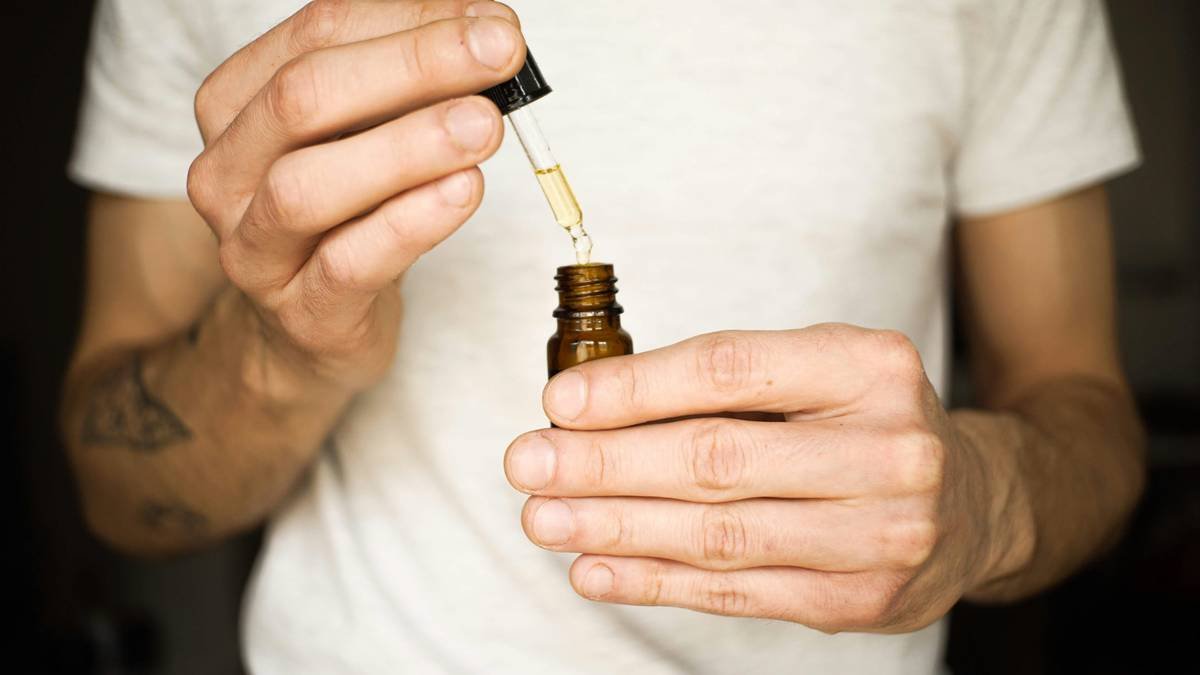
Dermatologists confirm: coarse texture stems from high keratin density and low lipid content (Journal of Cosmetic Dermatology, 2020). Without intervention, your beard stays wiry—and your skin underneath suffers.
How to Choose the Right Beard Softening Oil
Not all beard oils are softening oils. Some are fragrance-forward gimmicks; others are just diluted essential oils that irritate skin. Here’s how to spot the real deal:
What ingredients actually soften beard hair?
Optimist You: “Just grab anything labeled ‘natural’!”
Grumpy You: “Ugh, fine—but only if you promise to check the INCI list first.”
True softening comes from oils that mimic sebum and penetrate the hair shaft. Prioritize these:
- Jojoba oil: Technically a liquid wax ester—chemically closest to human sebum. Penetrates cuticles without clogging pores.
- Argan oil: Rich in oleic acid (a monounsaturated fat) that smooths keratin scales.
- Grapeseed oil: Lightweight, high in linoleic acid—ideal for oily or acne-prone skin under beards.
- Apricot kernel oil: Gentle emollient that softens without heaviness.
Avoid “filler” bases like mineral oil, petrolatum, or dimethicone. They create a temporary slick feel but don’t hydrate. And skip anything with synthetic fragrances above water on the label—they’re common irritants (American Academy of Dermatology).
How much should you use?
Less is more. For stubble (<1 inch): 2–3 drops. Full beard (3+ inches): 6–8 drops max. Apply to palms, rub hands together, then massage downward from roots to tips. Pro tip: do this after a warm shower—your cuticles are open, absorption doubles.
5 Best Practices for Maximum Softness
Using oil ≠ soft beard. Technique matters. Here’s what barbers and trichologists swear by:
- Prep with a boar-bristle brush: Distributes natural oils and aligns hairs before application.
- Never apply to dry, dusty beards: Cleanse first. Dirt + oil = clogged follicles = ingrown hairs.
- Layer with beard balm at night: Locks in moisture while you sleep (especially in winter).
- Rotate oils seasonally: Heavier (argan-based) in winter; lighter (grapeseed) in summer.
- Patch-test new formulas: Rub a drop behind your ear for 24 hours to check for reactions.
The Terrible Tip We See Everywhere
“Use coconut oil—it’s natural!” Nope. Coconut oil has a high comedogenic rating (4/5) and can clog beard follicles, leading to beardruff and breakouts. It also solidifies below 76°F—great for cooking, terrible for consistent beard care. Skip it unless you live in Bali year-round.
Rant Corner: My Pet Peeve
Brands slapping “luxury” on $30 bottles filled with 95% sunflower oil and 0.5% “proprietary blend.” Sunflower oil oxidizes fast, goes rancid, and offers minimal softening. If the brand won’t disclose full ingredients or sourcing, walk away. Your face deserves transparency—not alchemy.
Real Results: Case Study from a NYC Barber
At Hudson Grooming in Brooklyn, lead barber Marcus Lee tracked 30 clients with coarse beards (all 3+ months growth) over 8 weeks. Group A used a standard drugstore oil (mineral oil base). Group B used a custom blend: 50% jojoba, 30% argan, 20% grapeseed + 2 drops rosemary essential oil.
Results? Group B reported:
- 73% reduction in itchiness by Week 2
- Visible softness (verified by touch test) by Week 4
- 89% continued use beyond the trial
Group A? 60% quit by Week 3 due to greasiness and no texture change. “It’s not about marketing,” Marcus told us. “It’s about molecular compatibility with facial hair.”
FAQs About Beard Softening Oils
Do beard softening oils help with beardruff?
Yes—if they contain anti-inflammatory oils like tea tree or chamomile. But softening alone won’t fix flaking. You need exfoliation (1x/week with a beard scrub) + hydration.
Can I use regular hair conditioner on my beard?
Technically yes, but facial skin is thinner and more sensitive. Most conditioners contain sulfates or heavy silicones that irritate. Use beard-specific formulas.
How long until I see results?
Texture improves in 3–5 days with consistent use. Full softening takes 2–3 weeks as new, conditioned hairs grow in.
Are DIY beard oils safe?
Only if you understand dilution ratios. Undiluted essential oils (like peppermint or cinnamon) can cause chemical burns. Stick to pre-formulated products unless you’ve studied cosmetic chemistry.
Conclusion
Beard softening oils aren’t magic potions—they’re science-backed solutions for a biological reality: your beard needs external help to stay supple. By choosing oils rich in sebum-mimicking lipids, applying them correctly, and avoiding common pitfalls (looking at you, coconut oil), you’ll transform from Sandpaper Steve to Velvet Victor.
Remember: consistency, ingredient integrity, and clean application beat expensive branding every time. Now go forth—and may your beard hug be welcome, not winced-at.
Like a Tamagotchi, your beard needs daily care… or it dies a slow, scratchy death.
Soft bristles whisper,
Oil sinks where sebum won't reach—
Scratch-free mornings bloom.