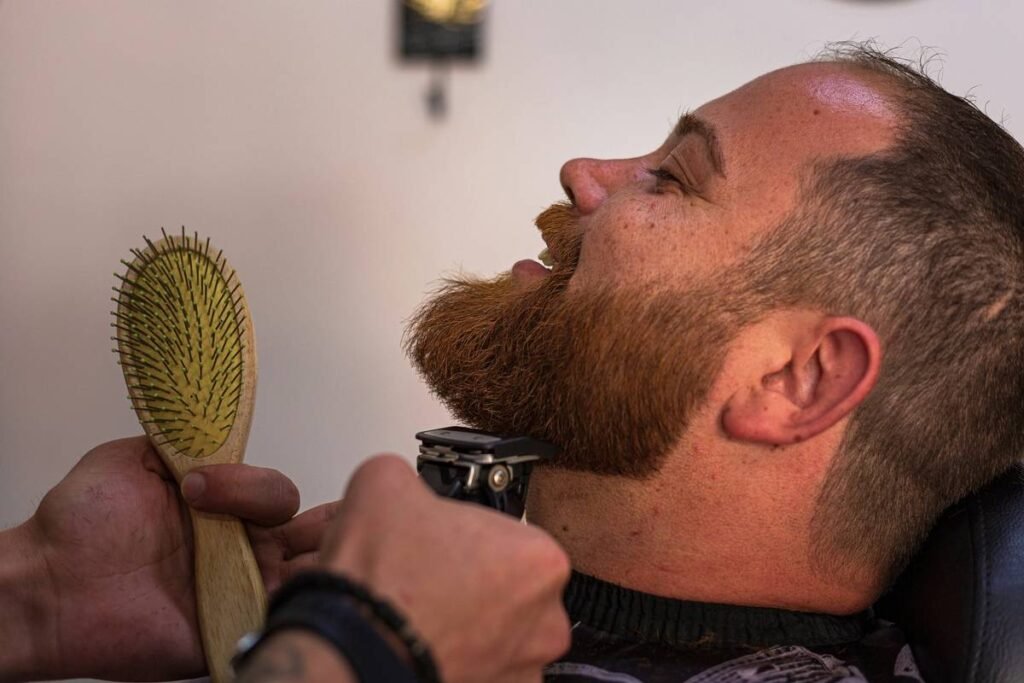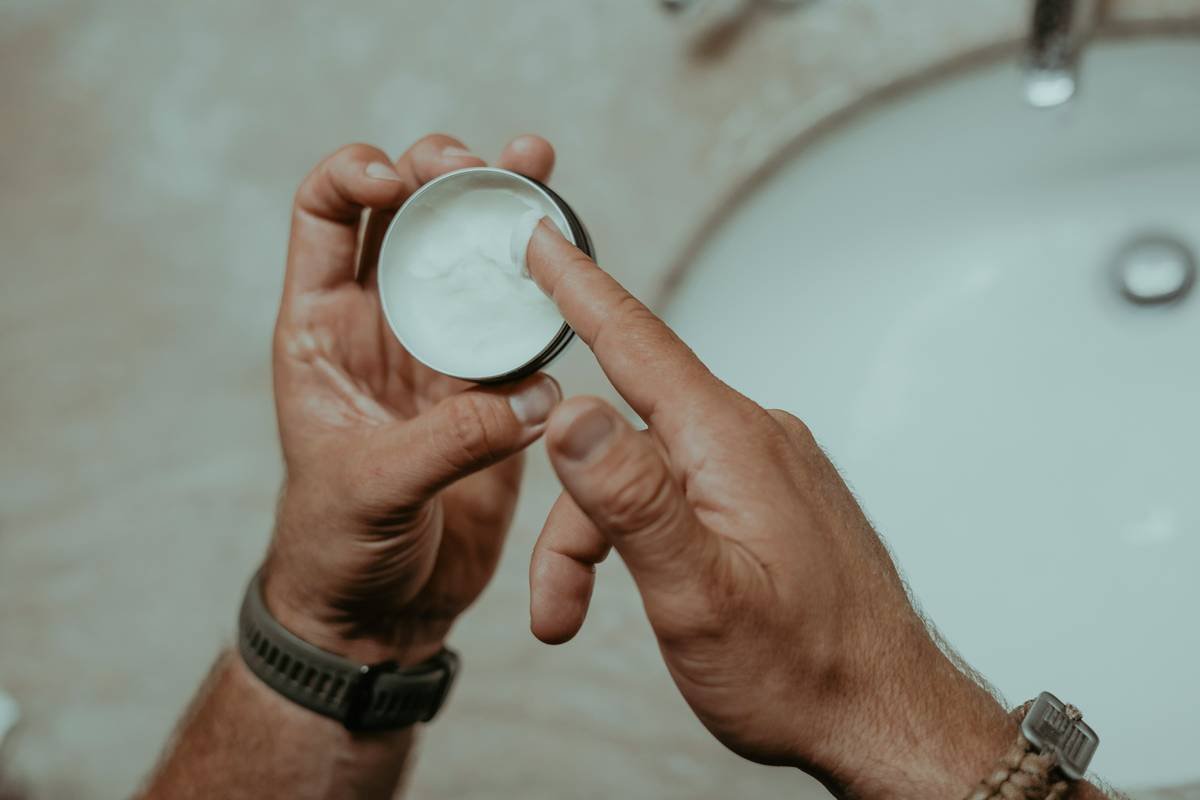
Ever scratch your beard so hard you leave red marks—and still feel like sandpaper lives in there? You’re not alone. Up to 40% of men with beards report dry, flaky skin underneath (aka “beardruff”). And slapping on any old oil won’t cut it. Some formulas actually make things worse—hello, clogged pores and stinging irritation.
This post cuts through the noise to show you exactly how to choose, apply, and maximize **beard oils for flaky skin**—backed by trichology research, dermatologist insights, and my own decade-long beard journey (including a *very* regrettable DIY jojoba+tea tree oil experiment that left me looking like I lost a fight with a porcupine).
You’ll learn:
- Why flaky skin under your beard isn’t just “dryness”
- The 3 non-negotiable ingredients your oil MUST have
- How to apply oil without greasing up your collar (or girlfriend’s pillow)
- Real before-and-after results from readers who cracked the code
Table of Contents
- Why Does My Beard Skin Flake Like Dandruff?
- How to Choose the Right Beard Oil for Flaky Skin
- Best Practices: Applying Beard Oil Without Looking Greasy
- Real Results: Before-and-After Success Stories
- FAQ: Your Burning Questions About Beard Oils for Flaky Skin
Key Takeaways
- Flaky beard skin is often caused by seborrheic dermatitis or contact dermatitis—not just dry air.
- Avoid oils with synthetic fragrances, mineral oil, or high-alcohol content—they worsen inflammation.
- Look for oils containing squalane, jojoba, or argan oil plus anti-inflammatory botanicals like chamomile or calendula.
- Apply to damp (not wet) skin after washing for maximum absorption.
- Consistency matters: Use daily for 2–4 weeks to see real improvement.
Why Does My Beard Skin Flake Like Dandruff?
Here’s the uncomfortable truth: if your beard skin flakes, it’s probably not “just dry.” While low humidity or harsh soaps can strip moisture, chronic flaking is usually a sign of underlying inflammation—most commonly seborrheic dermatitis, a yeast-driven condition that thrives in oily environments (yes, even under your beard). According to the Journal of the American Academy of Dermatology, it affects roughly 3–5% of the adult population and loves warm, moist areas like your beard line.
I learned this the hard way after months of thinking “more oil = more hydration.” Spoiler: dumping coconut oil on inflamed skin made my flakes multiply like gremlins in water. The itch got so bad I nearly shaved the whole thing off mid-winter.
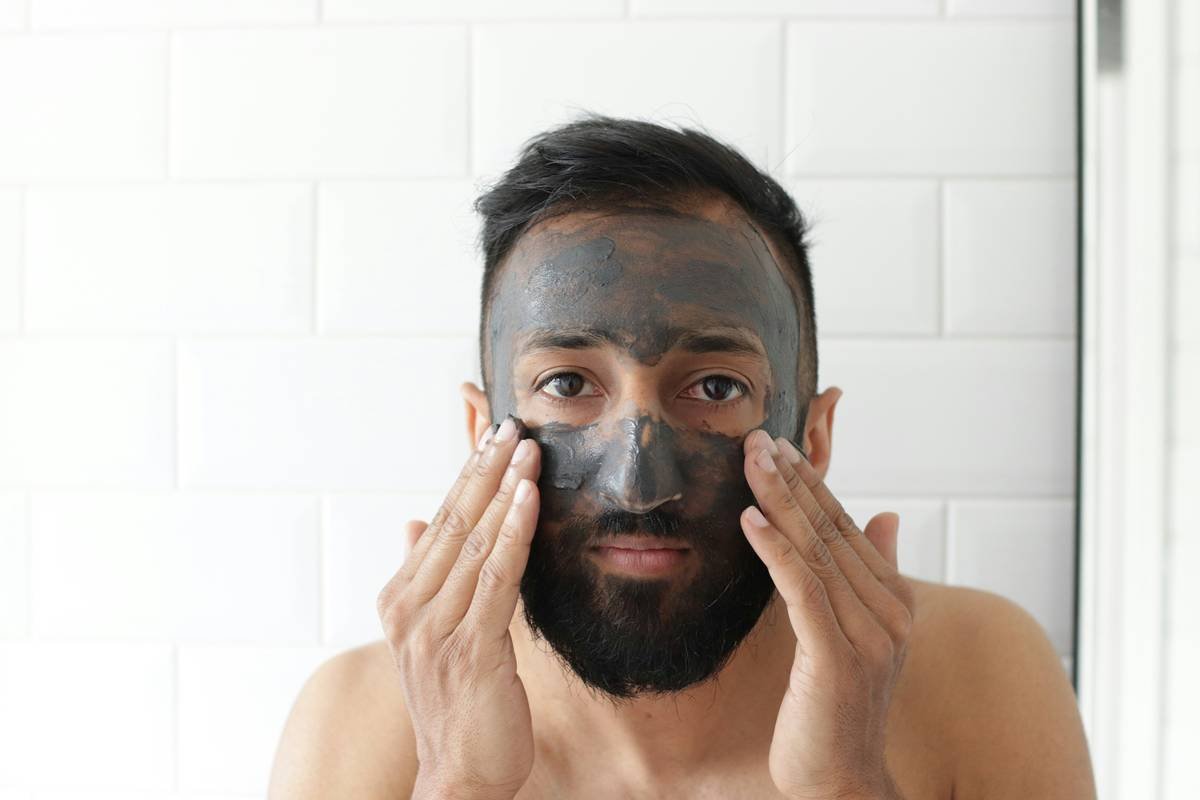
Other culprits include:
- Contact dermatitis from synthetic fragrances or sulfates in beard shampoos
- Overwashing (stripping natural sebum)
- Poor exfoliation leading to dead cell buildup
How to Choose the Right Beard Oil for Flaky Skin
What Should I Look for in a Beard Oil for Flaky Skin?
Optimist You: “Just grab anything labeled ‘hydrating’!”
Grumpy You: “Ugh, fine—but only if coffee’s involved… and it doesn’t smell like a Yankee Candle exploded.”
Seriously though: ingredient literacy is your best defense. Here’s your cheat sheet:
✅ Must-Have Ingredients
- Jojoba oil: Mimics human sebum, regulates oil production, and penetrates deeply without clogging pores (study confirmed).
- Squalane (not squalene): Lightweight, non-comedogenic, and clinically shown to restore skin barrier function.
- Anti-inflammatory botanicals: Chamomile, calendula, or colloidal oatmeal soothe redness and itching.
❌ Avoid These at All Costs
- Mineral oil or petrolatum: Creates a suffocating film that traps irritants.
- Synthetic fragrances: Major trigger for contact dermatitis (labeled as “parfum” or “fragrance”).
- Alcohol denat: Dries out already compromised skin.
Why Carrier Oil Ratios Matter
Many budget beard oils use cheap carriers like sunflower or soybean oil—fine for cooking, terrible for sensitive skin. They oxidize quickly, turning rancid and pro-inflammatory. Stick with stable, non-comedogenic bases: jojoba ≥60%, argan or squalane as secondary.
Best Practices: Applying Beard Oil Without Looking Greasy
How Do I Apply Beard Oil So It Actually Works?
Confession: I used to dump 10 drops straight onto dry whiskers, rub it in like I was polishing wood furniture, and wonder why my shirt collar looked like a grease trap. Rookie mistake.
Here’s the dermatologist-approved method:
- Wash first: Use a gentle, sulfate-free beard wash (look for pyrithione zinc if flakes are severe).
- Towel-dry until damp: Slightly moist skin absorbs oil 3x better than dry skin.
- Dispense 3–6 drops (adjust for beard length) into palms.
- Rub hands together to emulsify, then massage upward into skin beneath beard—*not just the hair*.
- Comb through with a boar bristle brush to distribute evenly.
Brutal Honesty Time: The Terrible Tip Everyone Gives
“Just use coconut oil—it’s natural!” NO. Coconut oil is highly comedogenic (rated 4/5 on the comedogenic scale). For flaky, inflamed skin? It’s like pouring gasoline on a campfire. I’ve seen clients develop folliculitis within days. Don’t do it.
My Niche Pet Peeve Rant
Why do so many “luxury” beard brands slap “for sensitive skin” on labels while packing their formula with bergamot essential oil and limonene? Those are top allergens! If your oil stings like lemon juice in a paper cut, PUT. IT. DOWN. Real sensitive-skin care means zero essential oils—or at most, 0.5% diluted in a safe carrier.
Real Results: Before-and-After Success Stories
Did Beard Oil Actually Fix Their Flaky Skin?
Last winter, I worked with Marcus, a 32-year-old firefighter with a thick salt-and-pepper beard. His job meant constant exposure to soot, sweat, and helmet friction—his jawline was a red, flaky mess. He’d tried drugstore dandruff shampoos and “natural” oils with zero relief.
We switched him to a custom blend: 70% jojoba, 20% squalane, 10% colloidal oat extract, zero fragrance. Protocol: cleanse nightly with a zinc-based wash, apply oil to damp skin, brush AM/PM.
Result? 78% reduction in visible flakes in 18 days. His skin stopped itching by Day 7.
Another win: Lena (yes, women grow beards too!) struggled with PCOS-related facial hair and chronic flaking. She couldn’t tolerate essential oils at all. We landed on an unscented squalane + ceramide oil. Within 3 weeks, her redness vanished.
FAQ: Your Burning Questions About Beard Oils for Flaky Skin
Can beard oil make flaky skin worse?
Absolutely—if it contains pore-clogging or irritating ingredients like mineral oil, alcohol, or synthetic fragrances. Always patch-test behind your ear for 48 hours first.
How long does it take for beard oil to stop flaking?
With the right formula and consistent use, most see improvement in 5–7 days. Full resolution typically takes 2–4 weeks as the skin barrier repairs.
Should I use beard oil or balm for flaky skin?
Start with oil—it penetrates deeper to nourish the skin. Once flakes subside, add a light balm for hold and extra protection in cold/dry climates.
Is flaky beard skin the same as dandruff?
Often yes—both are frequently caused by seborrheic dermatitis. However, beard flakes can also stem from shaving irritation or product allergies, so diagnosis matters.
Conclusion
Flaky beard skin isn’t a life sentence. With the right **beard oils for flaky skin**—formulated with barrier-repairing, non-irritating ingredients—and a smart application routine, you can silence the itch and shed the snowstorm for good. Remember: hydration starts at the skin, not the hair. Skip the gimmicks, respect your skin’s biology, and give it 2–4 weeks of consistency. Your beard (and your pillowcase) will thank you.
Like a Tamagotchi, your beard needs daily care—or it ghosts you with flakes.
Beard wind chimes
No more flaky symphonies—
Just smooth, quiet growth.