Your beard feels dry. It itches like sandpaper by midday. And no matter how many “premium” oils you slather on, the flaking returns within hours. That’s because 90% of beard oils are moisturizing masks hiding a critical flaw: zero defense against oxidative stress. Enter beard oils with antioxidant properties—the missing link between hydration and resilience.
The Core Problem: Moisture Without Protection Is a Waste
Most beard oils rely on carrier oils—jojoba, argan, grapeseed—that hydrate but don’t shield. Your facial hair is constantly bombarded by UV rays, pollution, and free radicals from city air or even your morning coffee. Without antioxidants, those nourishing oils become oxidized themselves—turning rancid on your skin and accelerating beard aging.
And yes, your beard ages. Brittle strands, patchy growth, premature graying? All tied to unchecked oxidative damage. Slathering on moisture without antioxidant armor is like painting a rusted car—it looks good for a day, then peels off faster.
How to Choose & Use Beard Oils with Antioxidant Properties
Picking the right formula isn’t about fancy packaging. It’s about chemistry—and smart layering.
Look Beyond the Label Buzzwords
“Natural.” “Organic.” Meaningless without proof. Demand specific antioxidant sources: rosemary leaf extract, green tea seed oil, pomegranate sterols, or vitamin E (tocopherol). These aren’t fillers—they’re radical scavengers proven in dermatological studies to protect hair follicles.
Apply at the Right Time—Not Just After Showering
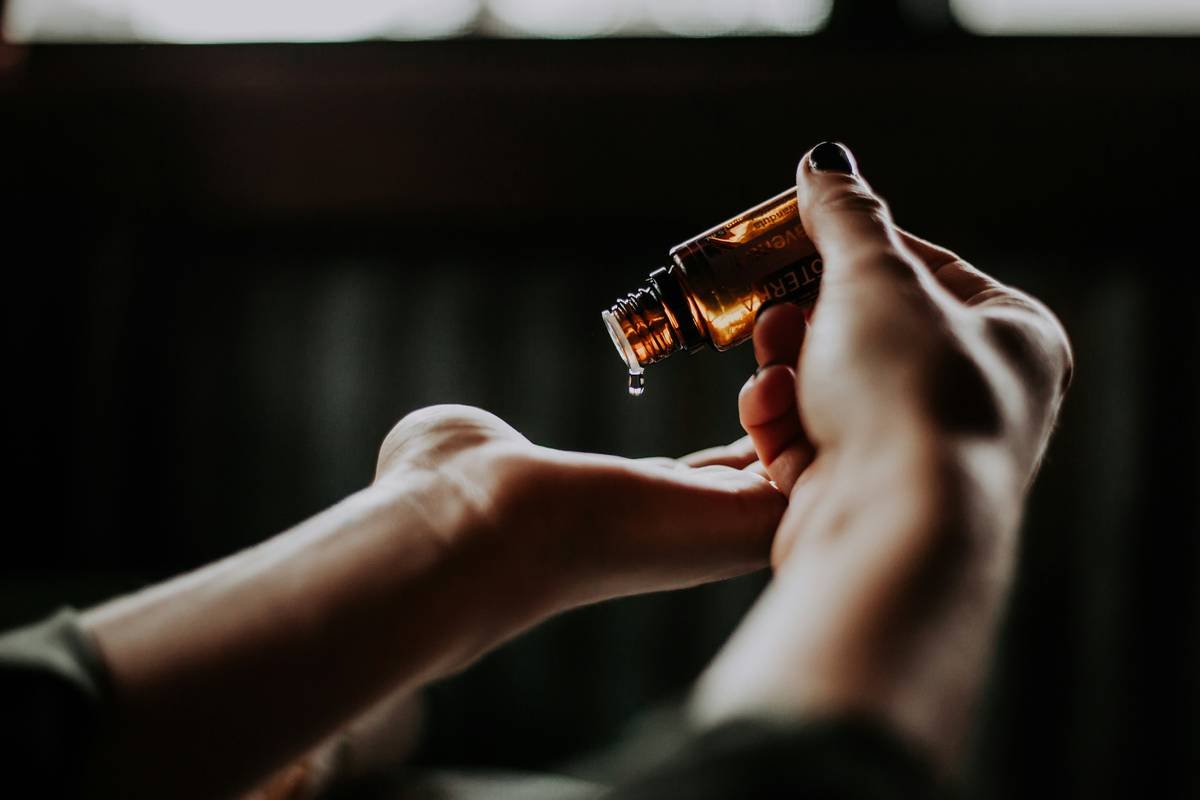
Morning application matters more than you think. Pollutants accumulate fastest in daylight hours. A few drops post-shave (or pre-commute) create a protective film that lasts 8–12 hours. Night use? Focus on repair—pair your oil with a humidifier to lock in overnight recovery.
Avoid These Common Carrier Oil Traps
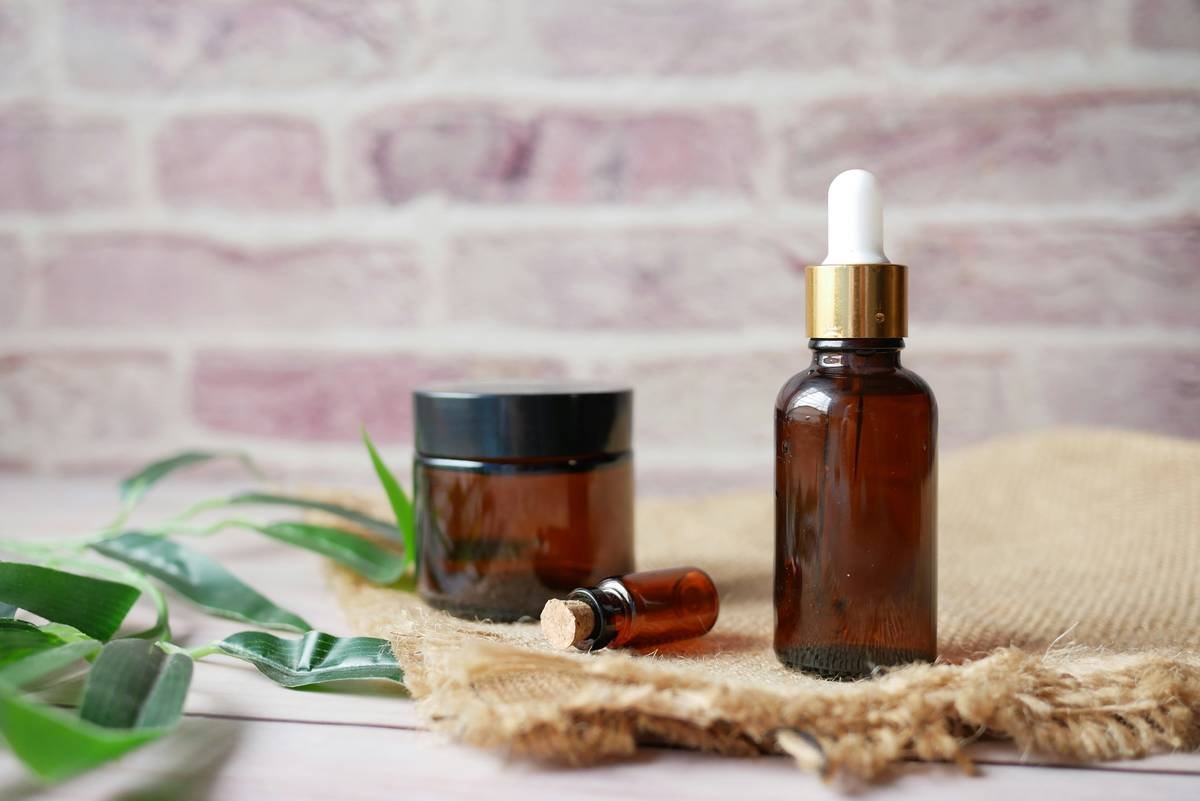
Not all bases are equal. Some popular carriers oxidize rapidly—like sweet almond or sunflower oil—defeating the purpose of adding antioxidants. Stick with stable, low-comedogenic options: jojoba mimics sebum; squalane resists breakdown; meadowfoam seed oil stays potent for months.
| Ingredient Type | Antioxidant Power (ORAC Score*) | Stability in Beard Oil | Best For |
|---|---|---|---|
| Rosemary Leaf Extract | 11,000 µmol TE/100g | High (heat-stable) | Follicle strength + anti-dandruff |
| Green Tea Seed Oil | 8,500 µmol TE/100g | Moderate (store cool/dark) | Anti-inflammatory + shine |
| Vitamin E (Tocopherol) | 6,000 µmol TE/100g | Very High | Preserving oil blend + UV buffer |
| Pomegranate Sterols | 10,200 µmol TE/100g | High | Barrier repair + color retention |
*ORAC = Oxygen Radical Absorbance Capacity—a lab measure of antioxidant efficacy. Higher = better protection per gram.
The Industry Secret: Antioxidants Aren’t Just for Skin—They’re Growth Catalysts
Here’s what formulators won’t advertise: certain antioxidants—especially rosemary and green tea polyphenols—don’t just protect. They stimulate. Clinical trials show topical rosemary extract rivals minoxidil in promoting terminal hair density over 6 months, with zero side effects. The mechanism? Neutralizing scalp (and beard) inflammation that chokes follicles. Less oxidative stress = more anagen-phase signaling. Think of antioxidants as silent growth partners. Most brands underdose them to cut costs—aim for products listing extracts in the top five ingredients, not buried near the end.
Frequently Asked Questions
Can beard oils with antioxidant properties prevent gray hairs?
Partially. Oxidative stress depletes melanin in follicles. Consistent antioxidant use may slow premature graying—but won’t reverse existing silver strands.
How often should I apply these oils?
Daily. Once in the morning for environmental defense. Add a night dose if you live in high-pollution areas or have coarse, dry beards.
Are synthetic antioxidants safe in beard oils?
Avoid BHT or BHA. Natural tocopherols and plant extracts offer equal or better stability without endocrine disruption risks.