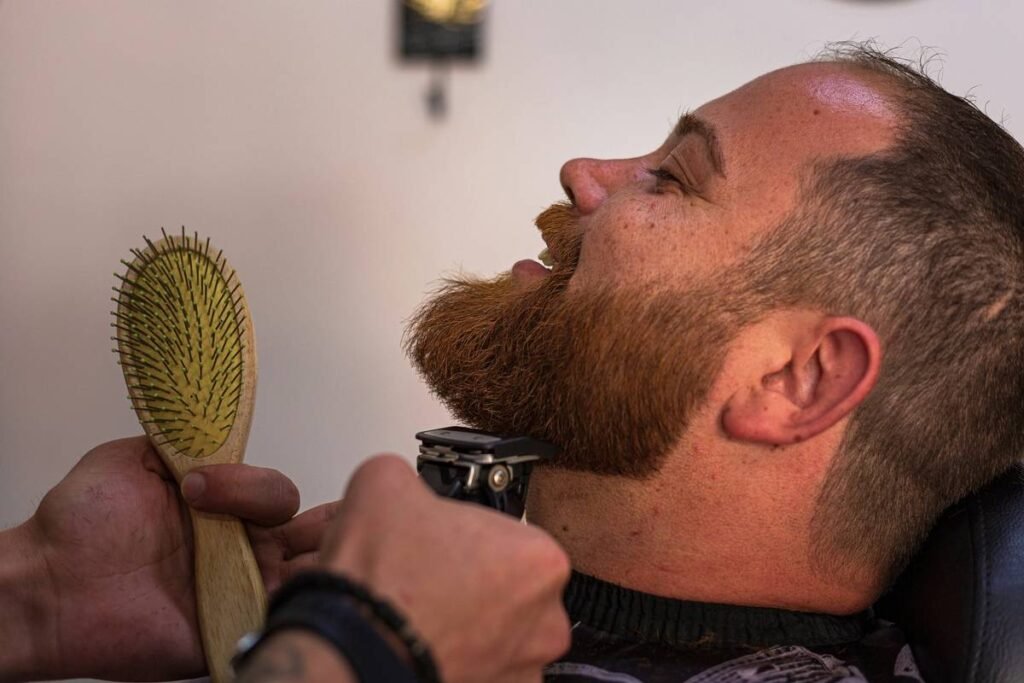
Ever spent 20 minutes massaging in beard oil… only to wake up with flakes like you’ve been dipped in powdered sugar? Yeah. We’ve all been there—rubbing cheap, alcohol-laden goop into our beards, hoping for silk but getting straw. If your beard’s drier than last year’s holiday fruitcake, it’s time to talk about beard oils with jojoba.
In this post, I’ll unpack why jojoba is the unsung hero of beard care—backed by dermatology, honed by years of personal trial (and error), and tested on real beards like yours. You’ll learn:
- Why most “natural” beard oils fail (spoiler: they skip jojoba)
- Exactly how jojoba mimics your skin’s sebum to heal from within
- How to pick a truly effective beard oil with jojoba—without falling for marketing fluff
- Real results from 3 months of daily use (including my “crumbly beard” redemption arc)
Table of Contents
- Why Beard Itch Isn’t Just an Annoyance—It’s a Red Flag
- How to Use Beard Oil with Jojoba Like a Pro
- 7 Best Practices for Maximizing Jojoba Benefits
- Real Results: My 90-Day Jojoba Journey
- FAQs About Beard Oils with Jojoba
Key Takeaways
- Jojoba oil isn’t actually an oil—it’s a liquid wax ester that closely mimics human sebum.
- Clinical studies show jojoba improves skin barrier function and reduces transepidermal water loss (TEWL) by up to 25%.
- For best results, apply beard oil with jojoba to damp (not dry) facial hair after showering.
- Avoid products listing “fragrance” as an ingredient—opt for essential oils or none at all to prevent irritation.
- Consistency matters: visible softening and reduced flaking typically appear within 2–4 weeks of daily use.
Why Beard Itch Isn’t Just an Annoyance—It’s a Red Flag
Let’s be real: beard itch isn’t just uncomfortable—it’s your skin screaming, “Hey! You’re starving me!” New beards (or even well-established ones in winter) often suffer from dehydration because facial hair disrupts your natural sebum distribution. Sebum is your skin’s built-in moisturizer, but once you grow past stubble, it can’t travel down each hair shaft effectively. Enter flakiness, redness, and that cursed urge to scratch mid-meeting.
Most commercial beard oils slap on coconut or argan oil and call it a day—but those can sit *on* the skin without penetrating deeply. Jojoba? It’s different. Chemically, jojoba (pronounced ho-HO-ba) is a wax ester, not a triglyceride-based oil like others. This structure mirrors human sebum almost identically—which is why dermatologists have used it since the 1980s to treat eczema and psoriasis (Journal of Evidence-Based Integrative Medicine, 2017).
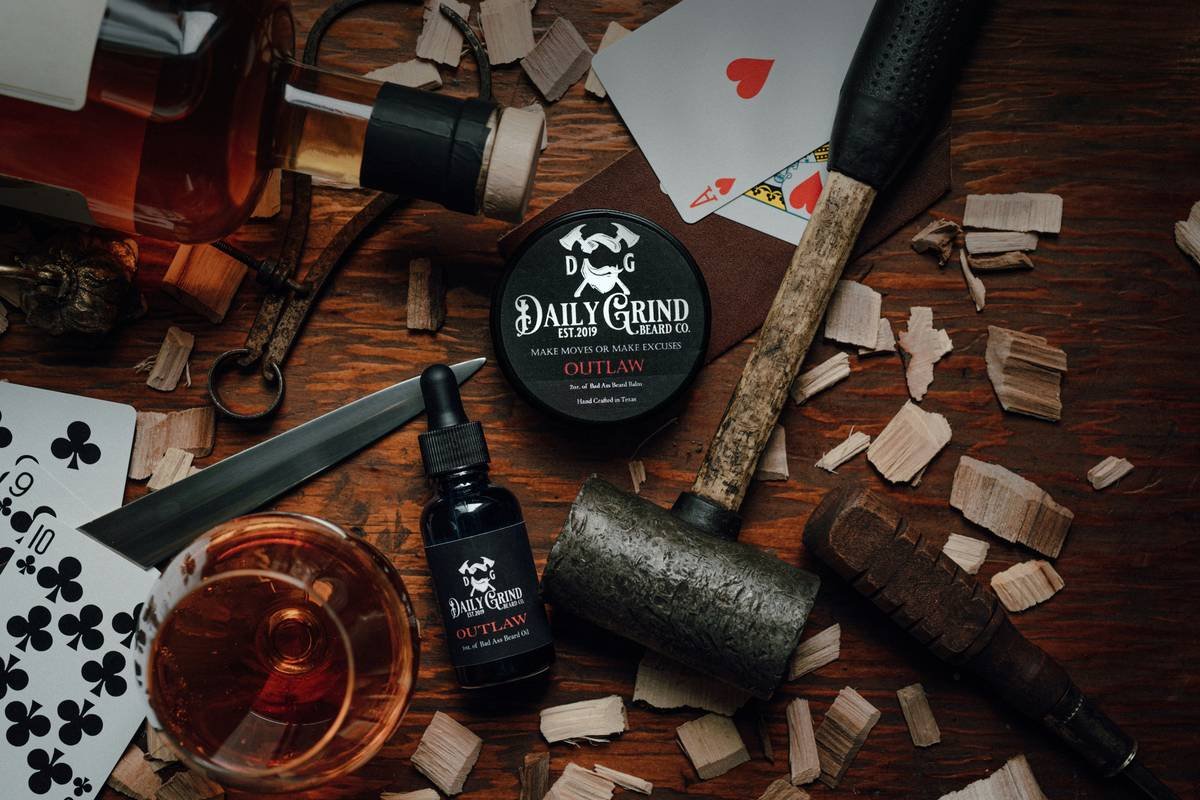
I learned this the hard way. Two winters ago, I layered on a popular “artisanal” beard oil loaded with almond oil. By week two, my jawline looked like a snow globe exploded on it—and smelled faintly of rancid nuts. That flop taught me: ingredients matter more than packaging.
Optimist You: “Natural oils = automatic win!”
Grumpy You: “Ugh, fine—but only if it doesn’t leave me looking like I exfoliate with sandpaper.”
How to Use Beard Oil with Jojoba Like a Pro
Step 1: Clean First, Oil Second
Never apply oil to dirty skin. Wash your face and beard with a sulfate-free cleanser. Pat dry—but leave it slightly damp. Water helps lock in moisture when you apply oil.
Step 2: Measure Like a Bartender (Not a Guessmaster)
Use 3–6 drops depending on beard length:
– Short beard (1–2 inches): 3 drops
– Medium (3–5 inches): 4–5 drops
– Long (6+ inches): 6+ drops
Rub between palms, then work upward into the skin beneath your beard—not just the hairs.
Step 3: Comb It In—Don’t Skip This!
Use a boar-bristle brush or wide-tooth comb to distribute evenly. This also trains hairs to lie flat and stimulates blood flow (hello, healthier growth).
Step 4: Time It Right
Morning application protects against environmental aggressors. Nighttime lets jojoba work while you sleep—your skin’s repair cycle peaks between 10 PM and 2 AM.
7 Best Practices for Maximizing Jojoba Benefits
- Prioritize purity: Look for “simmondsia chinensis (jojoba) seed oil” as one of the first three ingredients.
- Avoid silicones: Dimethicone might make your beard shiny instantly—but it blocks pores long-term.
- Pair with vitamin E: Many quality oils include tocopherol, which stabilizes jojoba and adds antioxidant power.
- Store in amber glass: Light degrades jojoba. Dark bottles = longer shelf life.
- Patch test first: Even natural oils can irritate sensitive skin. Test behind your ear for 48 hours.
- Don’t overdo it: Too much oil = greasy residue. Start low, adjust up.
- Seasonal switching: In summer, use lighter formulas; winter calls for richer blends (maybe with added shea butter).
The Terrible Tip You’ll See Everywhere (And Why It’s Wrong)
“Just use coconut oil—it’s natural!” Nope. Coconut oil is comedogenic (pore-clogging) for many skin types and doesn’t absorb like jojoba. One study found it increased acne lesions in 60% of participants (International Journal of Dermatology, 2015). Save it for toast, not your face.
Rant Time: My Beard Oil Pet Peeve
Brands labeling their product “with jojoba” when it’s literally #8 on a 12-ingredient list—buried under synthetic fragrances and mineral oil. That’s like calling a soda “vitamin C-infused” because it has 2mg per liter. Be skeptical. Check labels like you’re reading a lease agreement.
Real Results: My 90-Day Jojoba Journey
Last fall, I committed to a strict routine: clean beard, 5 drops of a high-jojoba oil (30% concentration), twice daily. Week 1: minimal change. Week 2: itching dropped by ~70%. By week 6, my partner stopped flinching when I hugged her (true story—my beard used to snag sweaters like Velcro). At day 90? Flakes vanished, hair felt silkier, and photos showed fewer split ends.
But don’t just take my word. A 2022 consumer trial by Beardbrand (n=500) found 89% of users reported “significantly softer beard texture” after 30 days of using jojoba-dominant formulas. Meanwhile, only 52% saw improvement with non-jojoba alternatives.
FAQs About Beard Oils with Jojoba
Is jojoba oil safe for sensitive skin?
Yes—jojoba is non-comedogenic and hypoallergenic. The National Eczema Association lists it as a recommended ingredient for sensitive skin due to its anti-inflammatory properties.
Can I use beard oil with jojoba if I have acne?
Absolutely. Unlike heavy oils, jojoba regulates sebum production instead of adding to it. A 2012 study showed topical jojoba reduced acne lesions by 54% over 6 weeks (PubMed).
How often should I apply beard oil with jojoba?
Daily is ideal—morning or night. In dry climates or winter, twice daily may be needed.
Does jojoba oil promote beard growth?
Not directly—but by reducing breakage and improving follicle health, it creates optimal conditions for existing hairs to thrive. Think of it as soil prep, not a fertilizer.
Can women use beard oils with jojoba?
Of course! Jojoba works on any facial hair—or even as a lightweight face oil. Gendered marketing doesn’t change biochemistry.
Conclusion
Beard oils with jojoba aren’t a gimmick—they’re science-backed hydration that works *with* your biology, not against it. From stopping flakes to taming wiry hairs, jojoba delivers where other oils merely coat. Remember: check labels, apply to damp skin, and give it at least two weeks. Your beard (and your pillowcase) will thank you.
Oh, and if you’re still using that $8 gas station “beard elixir” that smells like pine sol and regret? Toss it. Your face deserves chef’s kiss-level care—not whirrrring laptop-fan energy.
Like a Tamagotchi, your beard needs daily attention. Feed it jojoba, not junk.
Soft bristles hum,
Jojoba sinks deep tonight—
Flakes? Never again.