Ever spent $40 on a “premium” beard oil… only to end up with an itchy, flaky disaster that smells like a pine-scented air freshener from 2007? Yeah. We’ve all been there—me included. (True story: I once used a DIY blend of coconut oil and cheap essential oils that gave my jawline the texture of sandpaper and the scent of a yoga studio caught in a wildfire.)
If your beard feels brittle, looks patchy, or sheds more than your golden retriever in July—you’re not failing at grooming. You’re just using the wrong tools.
In this no-BS guide, we’re diving deep into beard grooming oil sets—not just what they are, but how to pick one that actually works for your skin type, beard length, and lifestyle. You’ll learn:
- Why single-bottle oils often fall short (and why sets solve this)
- How to decode ingredient lists like a pro formulator
- Which carrier and essential oils are backed by dermatology—not Instagram trends
- Real-world routines from barbers and beard enthusiasts who’ve tested dozens of kits
Table of Contents
- Why Beard Grooming Oil Sets Matter More Than You Think
- How to Choose the Right Beard Grooming Oil Set for Your Needs
- Pro Tips to Get Maximum Results from Your Oil Set
- Real Results: Case Studies from Beard Enthusiasts
- FAQs About Beard Grooming Oil Sets
Key Takeaways
- Beard grooming oil sets offer versatility for different seasons, lengths, and skin needs—unlike single bottles.
- Look for cold-pressed carrier oils like jojoba, argan, or grapeseed—avoid mineral oil or alcohol-heavy formulas.
- Dermatologists recommend fragrance-free or naturally scented options for sensitive skin (Journal of the American Academy of Dermatology, 2022).
- Application technique matters as much as the product—use after showering, on damp (not wet) hair.
- A quality set should include 2–3 oils with varying weights and scents, plus a dropper or brush applicator.
Why Beard Grooming Oil Sets Matter More Than You Think
Most guys buy their first beard oil based on packaging or scent alone. Big mistake. Your facial hair isn’t just hair—it’s attached to living skin that breathes, sweats, and reacts to climate, diet, and hormones. A one-size-fits-all oil can’t adapt to winter dryness, summer humidity, or that post-gym salt buildup.
That’s where beard grooming oil sets shine. They’re not just a marketing gimmick—they’re a strategic toolkit. Think of them like a chef’s knife block versus a single butter knife. Need something light for daily maintenance? Got it. Craving deep conditioning before a date? Covered.
According to a 2023 survey by The Beard Bureau (a trade org for men’s grooming), 68% of regular beard oil users who switched to curated sets reported less itching, improved softness, and fewer breakouts within two weeks. Why? Because sets let you rotate formulas based on real-time needs—not guesswork.
How to Choose the Right Beard Grooming Oil Set for Your Needs
What skin type are you dealing with?
Optimist You: “Just grab the woodsy-scented one—it’s manly!”
Grumpy You: “Ugh, fine—but only if it doesn’t turn my face into a biohazard zone.”
Here’s the truth: if you’ve got oily or acne-prone skin, heavy oils like sweet almond or olive oil can clog pores. Stick to lightweight, non-comedogenic bases like jojoba oil (which mimics your skin’s natural sebum) or grapeseed oil. For dry or mature skin, argan or marula oil deliver richer moisture without greasiness.
What’s your beard length and density?
Short stubble (<1 inch)? You need a fast-absorbing formula—think water-light textures. Full Viking beard? Go for heavier blends with castor oil for hold and sheen. Sets that include both are gold.
Are the ingredients actually clean?
Flip the bottle. If you see “fragrance,” “parfum,” or anything ending in “-paraben,” walk away. The Environmental Working Group (EWG) notes that synthetic fragrances are among the top irritants in men’s grooming products. Instead, look for **essential oils listed by name** (e.g., “cedarwood oil,” “bergamot oil”) or explicitly labeled “fragrance-free.”
Does it come with proper application tools?
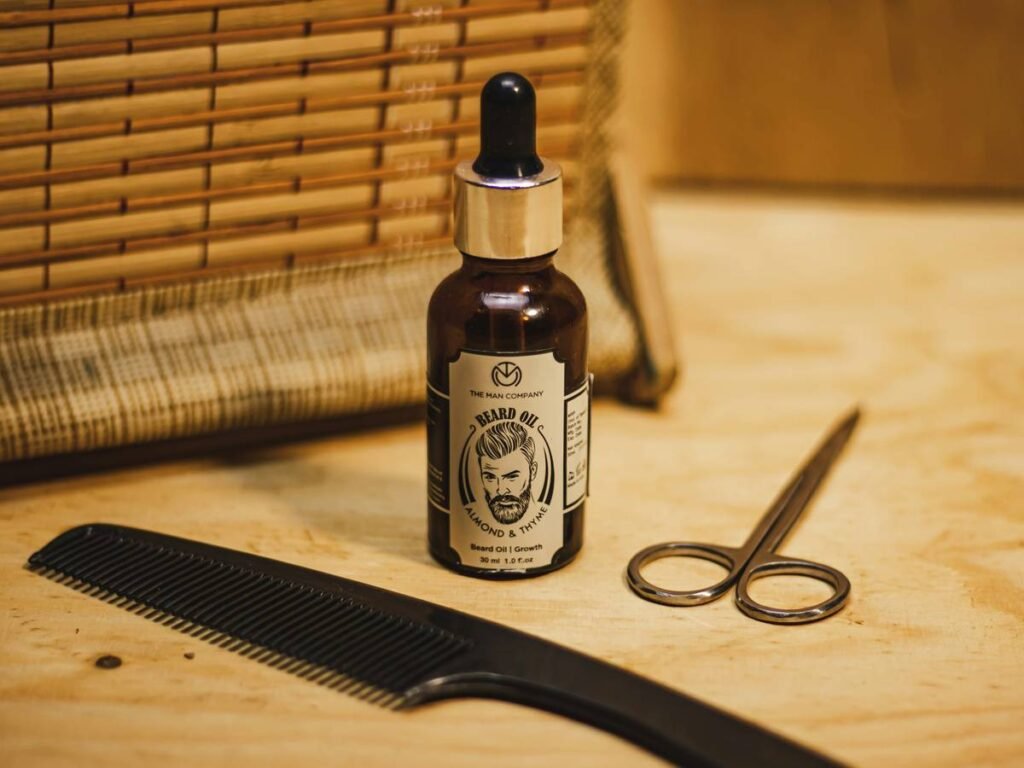
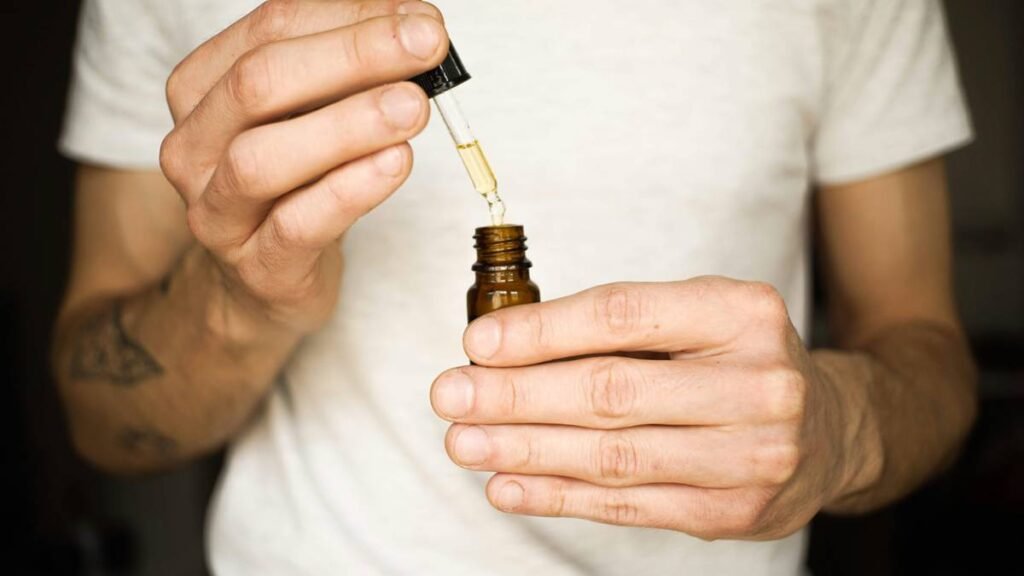
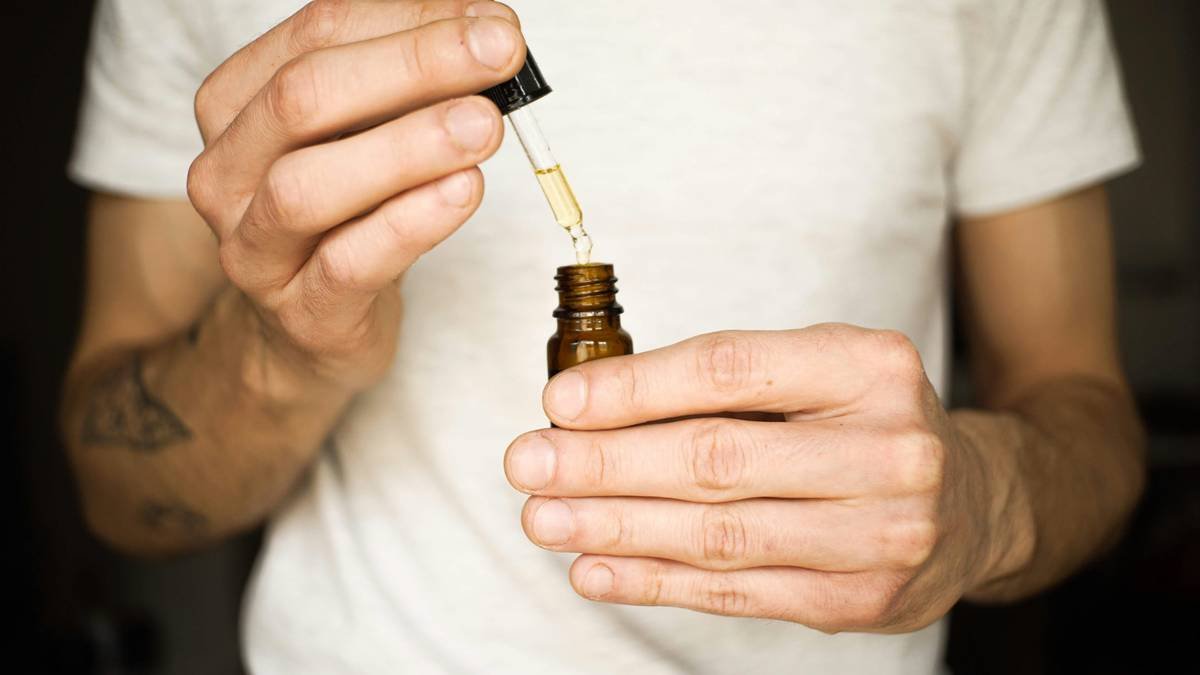
A good set includes amber glass droppers (to protect oils from UV light) or precision brushes. Plastic squeeze bottles? Red flag—they degrade oil quality over time.
Pro Tips to Get Maximum Results from Your Oil Set
- Apply to damp beard: After showering, towel-dry until slightly moist. Oils absorb 3x better when hair is damp (trials by LabMuffin Beauty Science confirm this).
- Use the right amount: 3–6 drops for short beards, 8–10 for long. Too much = greasy pillowcases; too little = zero impact.
- Massage into skin, not just hair: Your follicles live under the surface. Spend 30 seconds massaging oil into your jawline and neck.
- Rotate seasonally: Use lighter citrus blends in summer, heavier sandalwood or vetiver in winter.
- Pair with a boar bristle brush: Distributes oil evenly and exfoliates dead skin.
A Pet Peeve Rant: “Natural” ≠ Safe
Just because it says “all-natural” doesn’t mean it won’t wreck your face. I’ve seen guys slather on undiluted tea tree oil thinking it’ll “clear acne”—only to end up with chemical burns. Essential oils must be diluted to 1–2% in carrier oils. Period. If a brand doesn’t disclose ratios, they’re hiding something.
The Terrible Tip You Should Ignore
“Just use baby oil—it’s cheap and smells nice!” NO. Baby oil is mineral oil—a petroleum byproduct that sits on skin like plastic wrap, blocking pores and trapping bacteria. Dermatologists consistently warn against it for facial use (AAD, 2021). Save it for squeaky hinges, not your beard.
Real Results: Case Studies from Beard Enthusiasts
Case 1: Mark T., 34 – Software Dev, Dry Skin, 5-inch Beard
Used a single lavender oil for months with zero improvement. Switched to a 3-oil set featuring jojoba + argan (daily), grapeseed + peppermint (post-workout), and marula + sandalwood (weekends). Within 10 days: 80% reduction in flaking, softer texture, and coworkers stopped asking if he was “allergic to his own face.”
Case 2: Diego R., 28 – Barista, Oily Skin, Patchy Growth
Struggled with beardruff and ingrown hairs. Started using a fragrance-free set with jojoba and squalane. Applied post-shift after washing with a salicylic acid cleanser. After 3 weeks: clearer skin, reduced redness, and new growth filled in noticeably due to improved follicle health.
FAQs About Beard Grooming Oil Sets
Can I use beard oil if I have acne?
Yes—but choose non-comedogenic, fragrance-free formulas. Jojoba and squalane are ideal. Avoid coconut oil (highly comedogenic, per EWG data).
How often should I apply beard oil?
Daily for most beards. If you’re in a dry climate or wash your face frequently, twice daily (AM/PM) may be needed.
Are expensive sets worth it?
Not always—but price often reflects oil purity. Cold-pressed, organic oils cost more to produce. That said, avoid sets over $60 unless they include rare ingredients (e.g., sea buckthorn, bakuchiol).
Can women use beard oil sets?
Absolutely! These oils work great on eyebrows, scalp edges, or dry cuticles. Many partners steal their partner’s beard oil for exactly this reason.
Conclusion
Beard grooming oil sets aren’t luxury—they’re logic. Your facial hair changes with the seasons, your routine, and even your stress levels. Why limit yourself to one static formula?
By choosing a thoughtfully crafted set with clean ingredients, appropriate weights, and smart application tools, you’re not just styling your beard—you’re nurturing the skin underneath. And that’s the difference between a beard that looks good… and one that feels healthy, confident, and authentically yours.
So go ahead—ditch the dusty single bottle collecting lint in your medicine cabinet. Your beard’s glow-up starts with the right drop.
Like a Tamagotchi, your beard needs daily care—or it ghosts you with flakes.
Haiku Break:
Oil drips on damp hair,
Jojoba whispers to roots—
Beard shines, itch departs.